- There are no more items in your cart
- Shipping
- Total 0.00 zł



How to effectively soften water?
Water softening involves the complete removal or reduction of the concentration of calcium and magnesium ions, which are responsible for high water hardness. This process can be carried out in several ways, depending on needs and conditions. Softened water has many benefits that affect the comfort of life and the efficiency of household appliances.
Last updated: August 26, 2025
From thisIn this article, you will learn…
Why is it worth softening water?
Softened water does not create limescale deposits, which brings positive consequences,such as:
- longer lifespan of household appliances,
- lower detergent consumption,
- more pleasant experiences during bathing and washing.
Hard water is a particularly troublesome problem in regions where the concentration of calcium and magnesiumin water exceeds the recommended standards. The consequences of using it include reduced heating efficiency of boilers, skin and hair problems, as well as an increased risk of appliance failures. For this reason, more and more people are opting to install water softening systems to improve their quality of life and reduce costs associated with the operation of devices. Additionally, softened water can contribute to energy savings, as heating devices operatemore efficiently when they are not burdened with limescale.
Water softening methods
Chemical softening
One of the oldest methods of water softening is chemical softening, which involves adding chemical agents such as sodium carbonate (soda ash) or phosphates to the water. These agents react with calcium ions andmagnesium, forming insoluble compounds that can then be removed from the water.
It's worth remembering: This chemical method is effective, but it requires regular addition of chemicals, which can be cumbersome and costly in the long run.
This chemical method is effective, but it requires regular addition of chemicals, which can be cumbersome and costly in the long run. Additionally, chemical softening does not alwaysis completely safe for health and the environment. When using this method, it is important to pay attention to the appropriate dosage and follow the manufacturers' recommendations to avoid negative side effects.
Ion exchange softening
Ion exchange softening is the most common and effective method of water softening. It involves passing hard water through a columnion-exchange resin, which exchanges calcium and magnesium ions for sodium or potassium ions.
Ion-exchange resin has the ability to regenerate, which means that after being saturated with calcium and magnesium ions, it can be reactivated using a solution of table salt (sodium chloride). Ion-exchange softeners are effective, easy to use, and economical, which is why they are the most commonly chosen for both household and industrial use. It is also worth noting their variousmodels that can be tailored to the specific needs of the user, such as household size or water consumption.
Physical softening
Physical softening includes various methods, such as magnetic, electric, and electromagnetic softening. These methods work by altering the structure of calcium and magnesium ions, which prevents their deposition inboiler scale formations.
Although physical softening is less effective than ion exchange, it has its advantages, such as the lack of need for chemicals and lower maintenance requirements. For this reason, it is often used as a supplement to other softening methods. However, it is important to remember that the effectiveness of these methods can vary depending on water quality, so it is advisable to conduct an analysis before their application.
Softened water – the biggest benefits
Water softening contributes to significantly extending the lifespan of household appliances such as washing machines, dishwashers, boilers, and coffee makers. Hard water leads to the formation of scale, which over time can clog pipes, reduce heating efficiency, and cause frequent breakdowns. After the softening process, the liquid does not create deposits, which significantly reducesthe risk of damage and the need for repairs.
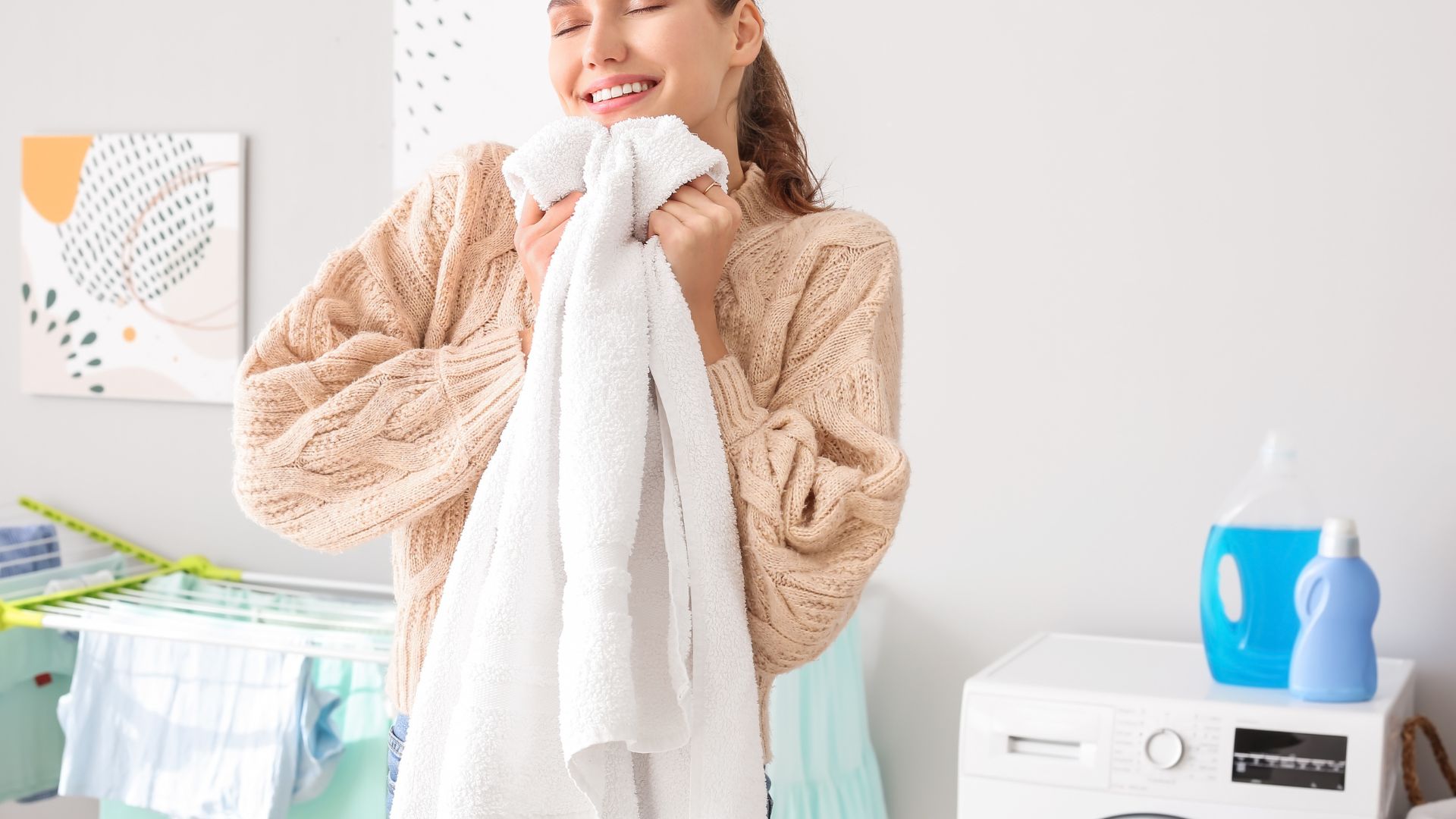
Moreover, using softened water has a direct impact on the comfort of daily life. Soft water is gentler on the skin and hair, which reduces issues with dryness, irritation, and dandruff. Furthermore, softened water reacts better with detergents, meaning that less cleaning products are needed for washing dishes, laundry, or cleaning, which is beneficial for both the wallet and the environment. It is worthIt is also worth noting that softened water can contribute to a better taste of beverages such as coffee or tea, which is important for many people.
It is worth remembering: The most effective methods are ion exchange and chemical softening, but each has its advantages and disadvantages.
Choosing the right water softener – summary
When choosingwater softener, before making a purchase, it is necessary to conduct a water quality analysis. Such testing allows you to determine the hardness level and the concentration of contaminants that may affect the effectiveness of softening. Based on the results, you can select the appropriate system that will work best under specific conditions. It is also advisable to seek the advice of a specialist who can help choose the best method and device for softening.water.
The second aspect is the efficiency of the water softener. It determines how many liters of water can be softened before the ion-exchange resin needs to be regenerated. Choosing a softener with the appropriate efficiency depends on the size of the household, the number of users, and the average water consumption. It is important to remember that a softener that is too small may not keep up with water purification, while one that is too large may prove to be uneconomical. A well-chosen softener isan investment that will pay off in the form of savings on bills and longer lifespan of devices.
Frequently Asked Questions (FAQ)
What are the effects of using hard water?
Using hard water can lead to problems with household appliances, reduced heating efficiency, and skin issues.
What methodsWhich water softening methods are the most effective?
The most effective methods are ion exchange softening and chemical softening, but each has its advantages and disadvantages.
Is softened water safe to drink?
Yes, softened water is safe to drink, but it's worth ensuring that it does not contain harmful substances.
How often should the softener be regenerated?water?
The frequency of regeneration depends on the efficiency of the softener and the water consumption in the household.
Is physical softening effective?
Physical softening is less effective than ion exchange, but it can be used as a supplement to other methods.
What are the costs associated with water softening?
The costs of softeningWater may vary depending on the method and efficiency of the softener.
Author: Maciej Waliduda — specialist at MojaWoda.com, expert in water treatment technology and sustainable development.
