- There are no more items in your cart
- Shipping
- Total 0.00 zł



BPA FREE (Bisphenol A) - what does it mean and why should it be avoided?
Nowadays, we increasingly encounter products labeled as “BPA FREE”. It is important to choose BPA-free baby products, as the sale of baby bottles containing BPA is prohibited by the Food and Drug Administration (FDA). What does this mean exactly, and why should we pay attention to the presence of BPA in everyday products? In this article, we will explain what bisphenol A is, what its potentialhealth risks, what legal regulations apply to its use, and what alternatives are available. It is important to be aware of the risks associated with BPA in order to make informed purchasing decisions and take care of your health and that of your loved ones.
Last updated: August 26, 2025
In this article you will learn…
- What is BPA plasticWhat is it?
- What is the impact of BPA on the body and human health?
- What does it mean that something is BPA Free?
- What are the types of BPA substitutes?
- What is Tritan?
- What isbisphenol S (BPS)?
- What is bisphenol F?
- What are the legal regulations regarding the use of BPA?
- How to protect yourself from BPA?
- What does obtaining a certificate for BPA FREE labeling involve - does it still haveWhat does it mean?
- What is it and why is BPA (bisphenol A) still used in the production of plastics despite its harmfulness?
- What is it: regarding BPA?
BPA plastic what is it?
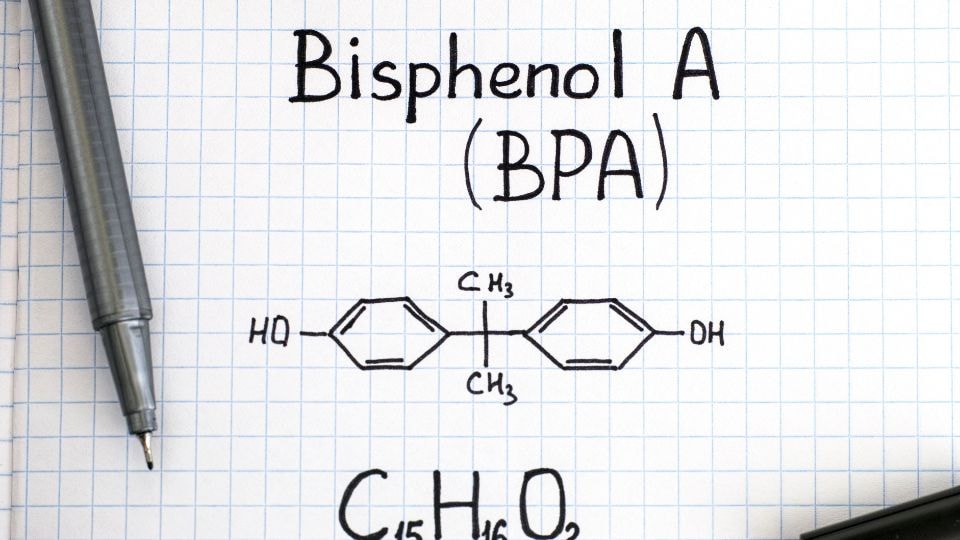
Bisphenol A (BPA) is a chemical compound that is widely used in the production ofbottles, plastic packaging, and other plastic containers. BPA production has increased alongside the decline in popularity of glass, ceramic, and wooden packaging. It is a chemical substance that has been at the center of interest for scientists and regulatory bodies for decades due to its potentially harmful effects on human health. BPA is mainly used in the production of polycarbonate plastics and epoxy resins, which are used ina variety of products, from water bottles to protective coatings inside food cans. Products that are "BPA Free" (marked with the symbol “BPA FREE”) are becoming increasingly popular in response to growing concerns about the health effects of this compound.
The impact of BPA on the body and human health
The effects of BPA on human health are the subject of numerous scientific studies.This compound is known for its endocrine activity, meaning it can affect the human hormonal system. Studies have shown that BPA influences the production of hormones such as estrogen and testosterone, which can lead to a range of serious health issues. The harmful effects of BPA include potential impacts on fertility, fetal development, and an increased risk of diseases; high consumption of this compound also necessitates combating glucose metabolism disorders.
One ofOne of the main threats associated with BPA is its impact on the hormonal system. BPA can mimic estrogen, which can lead to hormonal disorders and health issues such as significant reductions in fertility, thyroid problems, and even the development of hormone-dependent cancers. Additionally, BPA also affects the functioning of the gastrointestinal tract, which can result in decreased insulin secretion and an increased risk of type 2 diabetes. Research also suggests that BPA may negatively affect bacteria.intestinal, which can lead to various health problems.
In 2012, researchers from the Harvard School of Public Health conducted a study that showed BPA affects the hormonal system of children, leading to developmental and health issues later in life. It can also lead to problems such as weight gain and heart disease.
What does it mean for something to be BPA Free "BPAFREE"?
Label "BPA Free" or "BPA FREE" on products such as BPA free water bottles or BPA free containers means that the product does not contain bisphenol A. This is particularly important for products that come into contact with food or beverages, as it reduces the risk of BPA leaching into the food and liquids we consume.
BPA free products are increasinglymore sought after by consumers who are aware of the potential health risks associated with BPA. By choosing BPA-free products, consumers can be confident that their choices will not negatively impact their health. The symbol “BPA FREE” on products indicates that bisphenol A was not used in their production, which is particularly important in the context of water bottles, food containers, and other everyday products. It is worth paying attention to this symbol whenshopping to protect yourself and your loved ones from the harmful effects of BPA. It is also worth paying special attention to the quality of our plastic bottles, and the most beneficial solution would be to choose glass bottles.
It is worth remembering: The toxic effects of BPA have been studied and conducted by the National Toxicology Program (NTP) in the USA. It has shown that exposure to BPA during pregnancy can lead to developmental problems inchildren, including behavioral and learning problems.
Types of BPA substitutes
Although eliminating BPA from products is a step in the right direction, it is necessary to find safe substitutes. Here are some popular alternatives to BPA sources:
TRITAN
Tritan is a plastic made using safe materials.polypropylene. BPA-free products made from Tritan are characterized by high impact resistance and are safe for health. Tritan is often used in the production of water bottles, food containers, and other everyday items.
BISPHENOL S (BPS)
Bisphenol S (BPS) is a chemical compound that is used as a substitute for BPA. Although BPS is less known than BPA, studies also indicate itsa potential health hazard. BPS may also act as an endocrine compound, affecting the hormonal system similarly to BPA. It is important to pay attention to the presence of BPS in products to avoid potential health risks. BPS is often used as a substitute for BPA in baby products that contain BPA, but it may still pose a health threat.
BISPHENOL F
Bisphenol F is another substitute for BPA that is foundapplications in the production of plastics. Although it is considered less harmful than BPA, studies indicate that bisphenol F may also have negative health effects. For this reason, it is important to be aware of the potential risks associated with the use of products containing bisphenol F.
Legal regulations regarding the use of BPA
Legal regulations regarding the use of bisphenol A (BPA) vary by country. In the European UnionIn Europe, since 2011, there has been a ban on the use of BPA in the production of baby bottles. In the USA, the FDA has introduced restrictions on the use of BPA in packaging for children, but still allows its use in other products. The supply of BPA is controlled by various regulatory agencies that monitor BPA levels in consumer products. In some countries, stricter limits on the use of BPA have been implemented to protect public health.
It is important to be aware of the applicable legal regulations in Poland and to choose BPA-free products to minimize the risk of exposure to this chemical compound. In Poland, the law has completely banned the sale of BPA-containing bottles for infants. Unfortunately, it is still used on a large scale in the production of other items.

How to protect yourself from BPA
To protect yourself from BPA content, it is advisable tofollow a few basic rules:
- Choose products labeled as "BPA FREE" – look for the symbol “BPA FREE” or "BPA Free" on product packaging, especially those that come into contact with food and beverages.
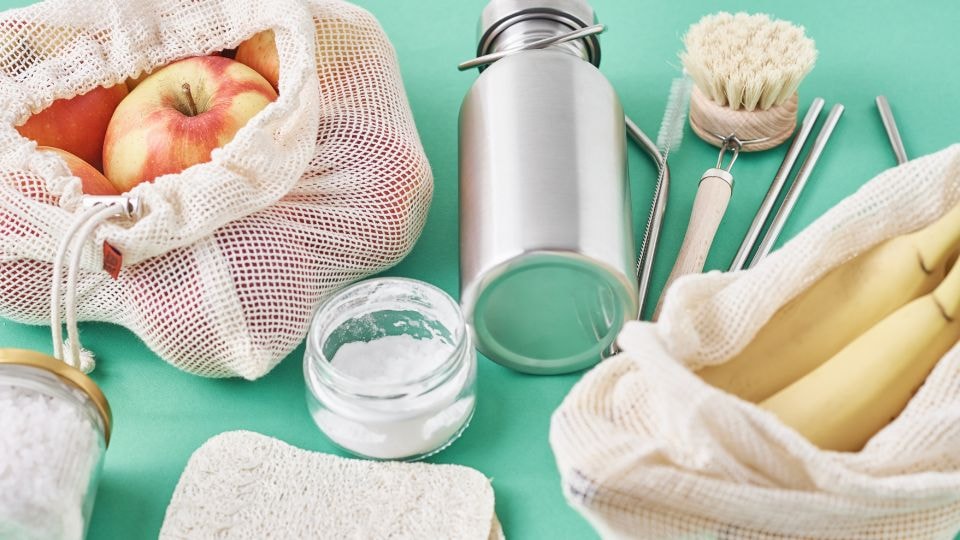
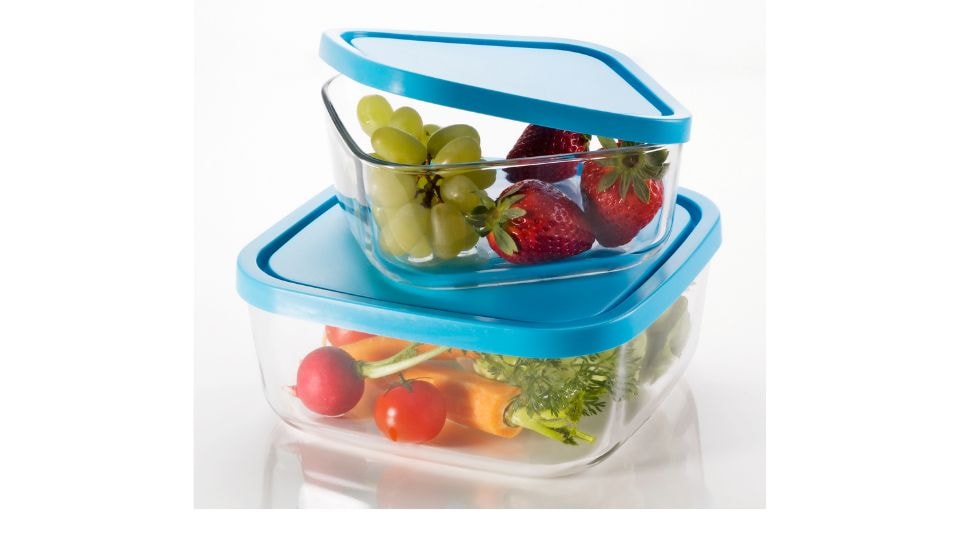
- Avoid plastic containers – choose glass, steel, or ceramic containers tofood and beverage storage. Unfortunately, storing food in plastic containers is a standard and still popular practice.
- Do not heat plastic – avoid heating food in plastic containers, as high temperatures can increase the leaching of BPA into food.
- Use BPA-free products – choose materials that are free from BPA,such as Tritan, stainless steel, glass, or bamboo.
- Read labels – pay attention to the information on product labels and choose those that are BPA-free.
Obtaining certification for the BPA FREE label - does it still matter?
The certification for the “BPA FREE” label is an important indicatorsafety of plastic products. Although there are currently many alternatives to BPA, this certification still matters as it indicates that the product has undergone appropriate testing and does not contain bisphenol A. Consumers should still pay attention to this symbol to ensure that the products they choose are safe for health. It is also important to be aware of other chemical substances that may be used as BPA substitutes to avoid potential risks.
Why is BPA (bisphenol A) still used in the production of plastics despite its harmful effects?
Despite the toxic effects of BPA and its negative impact on health, bisphenol A is still used in the production of plastics due to its properties. BPA is emitted into the atmosphere and is present in surface waters, sediments, and air. BPA is a cheap and effective additive that gives plasticsdurability and clarity. Many companies still use BPA because it is a cost-effective solution. However, consumer awareness is growing, and the sale of BPA-free bottles and other BPA-free products is becoming increasingly popular. BPA-containing products are also often combined with other chemical compounds, which may further increase health risks.

FAQ: Frequently Asked Questions aboutBPA
Are BPA FREE bottles and containers safe?
Yes, BPA free bottles, BPA free containers, and other products labeled as "BPA FREE" are considered safe. This label indicates that the product does not contain bisphenol A, which reduces the risk of this chemical leaching into food or beverages. It is advisable to choose BPA free containers and water bottles to minimize exposure to harmful substances.the action of bisphenol A. Nevertheless, it is important to ensure that there are no other harmful compounds in the bottles.
It is worth remembering: The "BPA FREE" label certification is an important indicator of the safety of plastic products.
How to eliminate BPA from the body?
Getting rid of BPA from the body can be challenging, but there are certain steps that can help with its elimination. Increasewater consumption, which helps flush toxins from the body. Increase your fiber intake, which aids in detoxifying the body. Follow a diet rich in antioxidants by consuming fruits and vegetables high in these nutrients. Avoid products containing BPA by choosing BPA-free materials to minimize further exposure. Regular physical activity also helps remove toxins from the body. Consider undergoing a responsible detoxification process that can assist in eliminatingtoksyn.
Where is the most BPA?
BPA is found in many everyday products. Here is a list of places where you can find the most BPA: Plastic containers – BPA is often used in the production of plastic food containers. Food and beverage cans – the inner linings of cans often contain BPA. Water bottles – many plastic water bottles contain BPA. Receipts – thermal paper usedThermal paper used for printing receipts often contains BPA. Personal hygiene products – some personal hygiene products, such as toothbrushes and razors, may contain BPA.
Do plastic bottles contain BPA?
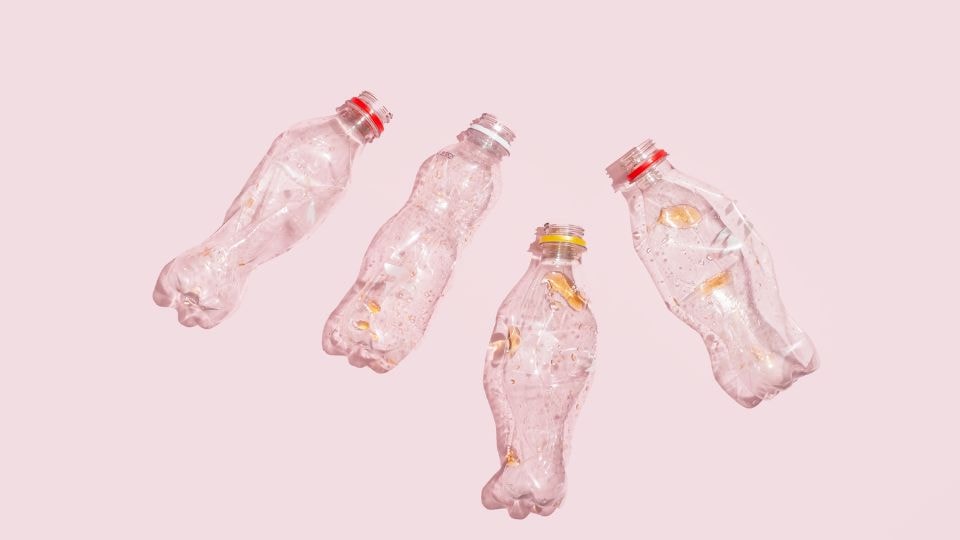
Yes, many plastic bottles contain BPA, especially those made from polycarbonate. The use of BPA in plastic bottles is common due to its properties that give plastics durability.and transparency. However, more and more manufacturers are switching to BPA-free materials to offer safer products to consumers.
When was the harmful effect of BPA demonstrated?
The first studies on the harmful effects of BPA were conducted as early as the 1930s, but it was in the 1990s and early 21st century that key scientific evidence emerged. Studies such as those conducted by Frederick vom Saal from the University of MissouriIn 1997, studies showed that BPA can have serious health effects, even at low levels of exposure. Since then, many studies have confirmed the negative impact of BPA on health, leading to a complete ban on the use of BPA in certain everyday products, such as baby bottles. BPA has also been shown to contribute to the development of resistance to certain treatments.
Summary
Bisphenol A (BPA) is a chemical compound with potentially harmful effects on human health. Although it is widely used in the production of plastics, more and more consumers are consciously choosing BPA-free products to protect their health. Thanks to legal regulations and increasing consumer awareness, BPA-free products are slowly becoming the standard. Let’s remember to pay attention to product labels and take care of our health by avoiding potential hazards.related to BPA, which can negatively affect our health and the functioning of the economy.
Frequently Asked Questions (FAQ)
Are BPA FREE bottles and containers safe?
Yes, BPA free bottles, BPA free containers, and other products labeled as "BPA FREE" are considered safe.
How to dispose ofBPA from the body?
Getting rid of BPA from the body can be difficult, but there are certain steps that can help with its elimination.
Where is BPA most commonly found?
BPA is found in many everyday products, such as plastic containers and food cans.
Do plastic bottles contain BPA?
Yes, many plastic bottlescontains BPA, especially those made of polycarbonate.
When was the harmful effect of BPA demonstrated?
The first studies on the harmful effects of BPA were conducted as early as the 1930s.
What are the alternatives to BPA?
Alternatives to BPA include Tritan, BPS, and bisphenol F, which can be used in the production of plastics.
Author: Maciej Waliduda — an expert in public health and materials technology, specializing in research on the safety of chemicals in everyday consumer products.
