
- There are no more items in your cart
- Shipping
- Total 0.00 zł



What water for the aquarium? Complete guide and solutions for cloudy water

Aquarium water is one of the most important elements that determines the health and well-being of aquarium fish. If you are just starting your journey with fish keeping, you are surely wondering what kind of water to put in the aquarium. In this article, you will find a complete guide to aquarium water, from water parameters, through different types of water, to home remedies for cloudy water. You will also learn how to properly prepare water for the aquarium and how to maintain its quality so that your fishaquariums could live in a healthy and safe environment.
Last updated: August 26, 2025
In this article you will learn…
- What are water parameters in an aquarium?
- How to prepare water for an aquarium?
- What iswater temperature in the aquarium?
- What is water hardness in the aquarium - what is it?
- What is pH in the aquarium - what pH is best for the aquarium?
- How to lower the pH of water in the aquarium?
- What is demineralized water, distilled orordinary?
- What is demineralized water in an aquarium?
- What is distilled water in an aquarium?
- What is tap water for an aquarium?
- What is mineral water in an aquarium?
- What are the most common water problems inAquarium?
Water parameters in the aquarium
Understanding the water parameters in the aquarium is crucial for providing fish with suitable living conditions. The water in the aquarium should meet specific standards for fish to develop and grow in a healthy environment. Here are the most important parameters to monitor:
- Temperaturewater: Important for maintaining fish health.
- Water hardness: Affects biochemical processes in the aquarium.
- Water pH: The pH level of the water, which should be stable. Some fish species may require an alkaline reaction.
Regularly checking these parameters helps avoid many problems related to water quality. It is good toalso use water tests that allow for ongoing monitoring of its condition.
How to prepare water for the aquarium?
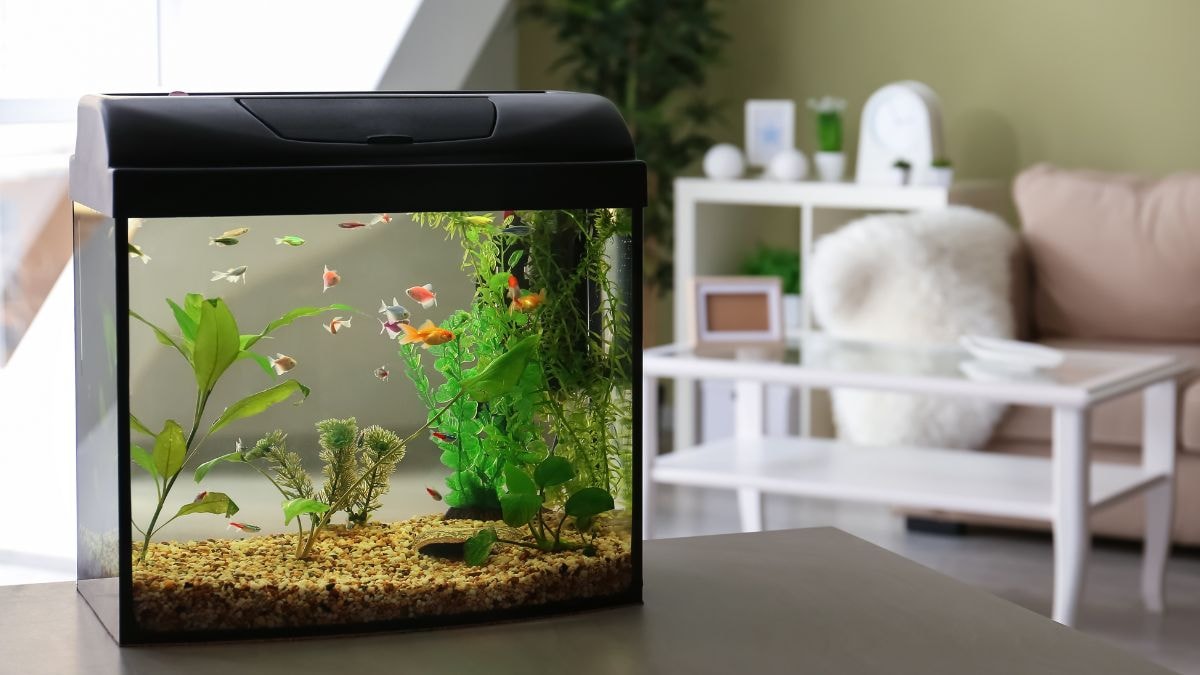
Preparing water for the aquarium is a process that requires attention and precision. First, you need to find out what kind of water to pour into the aquarium, considering the species of our fish. There are various methods to check water quality, such as testsdrip, which allow you to determine the correct water parameters. Preparing the water involves adjusting its properties to meet the needs of specific species of fish and plants. pH regulation in the aquarium is facilitated by appropriate products available in aquarium stores.
Water temperature in the aquarium
What temperature should the aquarium besuitable?
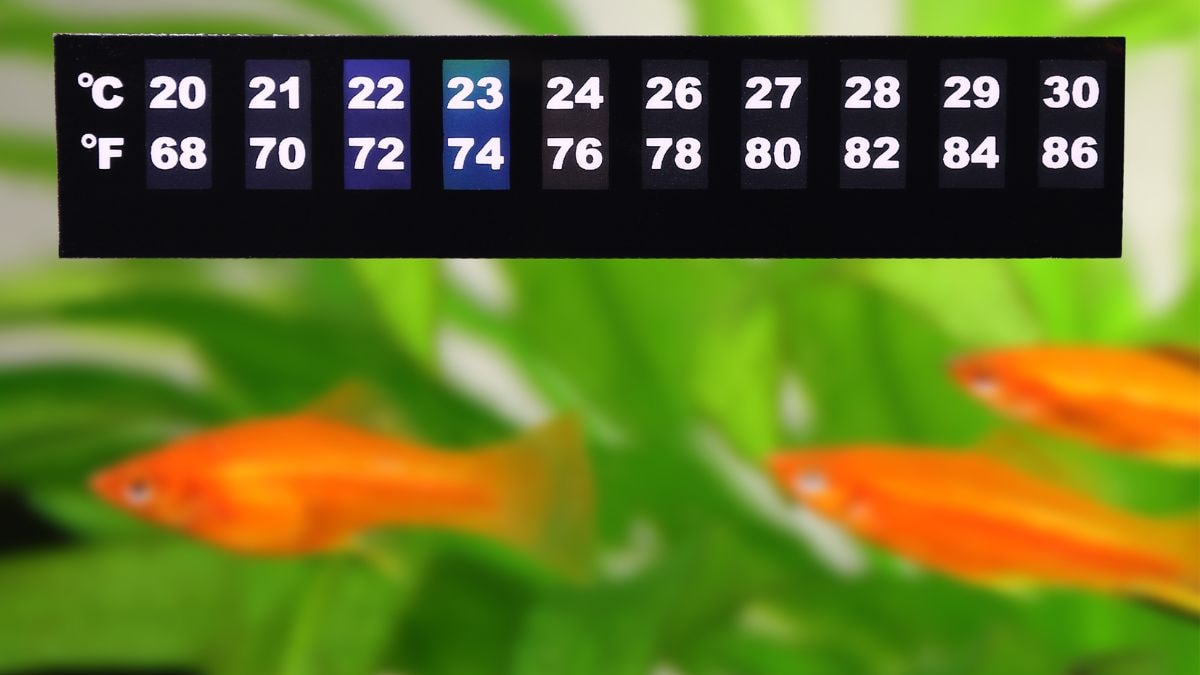
The water temperature in the aquarium is one of the most important parameters. Most aquarium fish require a stable temperature, which usually ranges from 22°C to 28°C. Temperature fluctuations can cause stress in fish and lead to diseases. It is worth investing in a good aquarium thermometer and a heater with a thermostat to maintain the appropriate and constant water temperature.
It's important to remember: Regular water testing is crucial for fish health.
Water hardness in the aquarium - what is it?
Water hardness refers to the content of dissolved mineral salts, such as calcium and magnesium. Moderately hard water, hard water, and soft water differ in their mineral content, which affects the health of fish and plants in the aquarium.
Optimal valuesThe hardness of water in the aquarium depends on the species of fish and plants we keep. Here are general guidelines regarding water hardness:
- Soft water: 0-4°dH (German degrees) – Preferred by fish from regions with low mineral content, such as South American tetras.
- Medium hard water: 4-12°dH – The most versatile hardness,suitable for most popular aquarium fish and plants.
- Water hardness: above 12°dH – Water with a high mineral content, suitable for fish from regions with hard water, such as some species of African cichlids.
Carbonate hardness KH in the aquarium
Carbonate hardness (KH) is a measure of the water's ability to buffer, that is,stabilizing pH. The higher the carbonate hardness, the more resistant the water is to pH changes. This is an important parameter because excessive pH fluctuations can be harmful to fish.
General hardness GH in the aquarium
General hardness (GH) is a measure of the total content of calcium and magnesium ions. Soft water has a low content of these ions, which can affect biological processes in the aquarium. Regular monitoring of general hardness is crucial forhealth of fish and other aquatic organisms.
pH of water in the aquarium - what pH is best for the aquarium?
The pH of water in the aquarium is a measure of the acidity or alkalinity of the water. Most fish prefer a neutral pH, which is in the range of 6.5-7.5. However, some species may require alkaline or slightly acidic conditions. Regularly checking the pH and maintaining it at a stable level is crucial for the health of the aquarium.plant-based.
How to prepare water for the aquarium?
What needs to be checked and where to start? Before pouring water into the aquarium, you must ensure that it meets all the requirements of your fish and plants. First, you should check what kind of water to pour into the aquarium, considering its hardness, pH, and temperature. You can use filters, conditioners, and drop tests to help achievecorrect parameters. The water treatment process involves removing harmful compounds and testing its properties.
How to lower the pH of aquarium water?
Ways to lower pH
Lowering the pH of aquarium water may be necessary if the pH values are too high for a given species of fish. This can be done by adding natural agents such as peat roots, almond leaves, orother specialized preparations available in aquarium stores.
Demineralized, distilled, or regular water?
What types of water to choose?
It's worth remembering: Adjusting the water to the needs of the fish is crucial for their health.
The type of water you pour into the aquarium directly affects its parameters andfish health. Some fish species require specific conditions that can only be achieved using demineralized or distilled water.
Demineralized water in the aquarium
Demineralized water for the aquarium is free of most minerals, making it ideal for use in aquariums where water hardness must be strictly controlled. Adding the appropriate mineral salts to demineralized water allows forprecise adjustment of its properties to the needs of fish.
Distilled water in the aquarium
Distilled water for the aquarium is also free from impurities and minerals, making it ideal for aquariums with delicate fish. However, it is worth remembering that adding distilled water may require additional enrichment with minerals to ensure suitable conditions for fish and plants. We recommend carefully checking if the fish we havewe can pour distilled water.
Tap water for the aquarium
The quality of tap water can vary significantly depending on the region. Before pouring it into the aquarium, it is advisable to filter and treat it to remove chlorine and other harmful substances. In some regions, tap water may be too hard or contain too many contaminants, so it is worth testing its quality before use.
Watermineral water in the aquarium
Mineral water contains a high concentration of minerals, which may be too high for some species of fish. The quality of mineral water may not be suitable for all aquariums, so it is recommended to carefully check its composition before use. When it comes to mineral water, it is also important to pay attention to its pH and hardness to ensure it is appropriate for the fish being kept.
Most common
Below are the most common problems faced by aquarists and ways to solve them.
Cloudy water in the aquarium
Cloudy, milky water in the aquarium can result from many factors, such as excess organic debris, overstocking, or improper filtration. Cloudiness can also be caused by the growth of bacteria or algae, so it is worth regularlymonitor water quality.
- Cloudy water in the aquarium - home remedies to remove it
This primarily involves regular water changes and the use of water clarifying products. It is also important to ensure proper filtration and avoid overstocking the aquarium.
Greenish water in the aquarium
Green water in the aquariumis often the result of excess light and too high nutrient content. To lower the pH in the aquarium and eliminate green water, it is advisable to use chemical treatments and reduce the amount of light reaching the aquarium. It is also good to install a UV filter, which helps in eliminating algae.
It is worth remembering: Stable temperature is crucial for the health of fish.
Too hard water - howsoften the water in the aquarium?
Too hard water can be a problem for many species of fish, so it is important to regularly monitor water hardness. To soften the water in the aquarium, you can use ion exchange resin filters, RO filters or special water softening preparations. Proper conditions for fish are the key to their health and longevity.
Algae in
Black algae in the aquarium can be difficult to remove. Different types of algae require different control methods, so it's worth using products dedicated to specific types of algae and ensuring proper lighting and water quality. Regular water changes and attention to filtration also help in eliminating algae.
Protozoa in the aquarium
Green algae in the aquarium are a type of protozoa thatcan cause cloudiness in the water. Regular water changes and the use of antibacterial products help maintain the cleanliness and health of the aquarium. Often, in this aspect, UV sterilizers for aquariums are effective, as they completely eliminate bacteria, viruses, and algae from the water.

How and how often should you change the water in the aquarium?
It is important to remember to change the water regularly. Water changes inan essential element of care. How to change the water in the aquarium? Water changes should occur approximately every week, and the amount of water changed should be about 20-30% of the total volume of the aquarium. Regular water changes help remove impurities and maintain a healthy environment for the fish.
Summary - why is it worth taking care of fish in the aquarium?
Taking care of aquarium fish is not only a duty but alsoPleasure. Aquarium fish in a well-maintained planted aquarium can live long and healthy, pleasing the owner's eye. Optimal conditions in the aquarium are the key to success in fish breeding, so it's worth regularly monitoring water parameters and using appropriate treatments. Remember, healthy fish are happy fish, and a beautiful aquarium is an ornament for any home.
Frequently Asked Questions (FAQ)
WhatWhat are the most important parameters of water in an aquarium?
The most important parameters are temperature, hardness, and pH of the water.
How to lower the pH of water in an aquarium?
This can be done by adding natural substances, such as peat roots.
What types of water can be used in an aquarium?
You can use demineralized, distilled, or tap water.after treatment.
How often should you change the water in the aquarium?
Water should be changed weekly, removing 20-30% of its volume.
What to do with cloudy water in the aquarium?
Regular water changes should be conducted and filtration should be maintained.
What are the causes of green water in the aquarium?
Green water is a result ofexcess light and too many nutrients.
Author: Maciej Waliduda — an expert in the field of aquaristics, with many years of experience in fish breeding and aquarium maintenance.
