
Solutions for aquaculture and fish farming
Stable water quality in ponds, tanks, and RAS systems – less loss, better growth, and greater flock safety.
For whom? For freshwater fish farming, recirculating RAS systems, stocking centers, ornamental fish farms, and pond farms.We select the layout after analyzing the breeding technology and water parameters.
Need a quick quote?
Fill out a short form — we will call you back and propose specific solutions.
Industry description
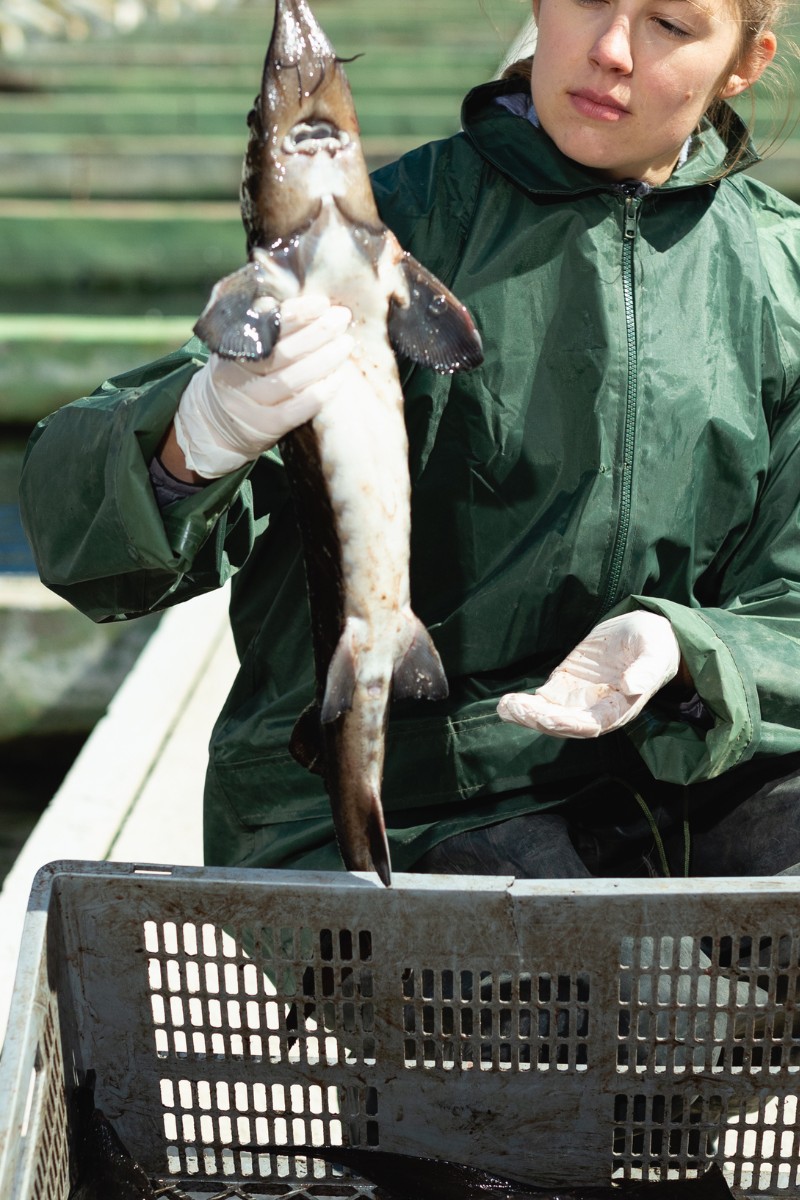
In aquaculture, water is a key "working environment" – it directly affects the health, growth rate, survival, and comfort of fish and other farmed organisms.
In farms working onIn ponds, flow-through or recirculating RAS systems, parameters such as: oxygen, pH, hardness, ammonia/nitrites/nitrates, suspended solids, and microbiology are important.
After analyzing the results of water tests, the type of farm, stocking density, and technology (ponds, RAS, flows), we select solutions to stabilize water quality and facilitate breeding.
The most common water problems inaquaculture
- Variable water quality from the intake or river – fluctuations in parameters during the season
- Excessive amounts of suspended solids, silt, and organic pollutants in the systems
- High concentrations of ammonia/nitrites with high stocking density
- Too high or too low hardness and issues with pH
- Risk of introducing pathogens along with raw water toRAS systems
What we offer
- Pre-treatment systems for water from own sources (mechanical filtration, removal of iron/manganese, parameter stabilization)
- Filtration and clarification of water using appropriately selected filtration media
- Solutions supporting biological treatment in RAS systems (selection of pre-filtration and biofilter protection)
- UV disinfection of raw water and circuits to reduce the risk of introducing pathogens
- Installation, commissioning, operator training for the farm, and service tailored to production seasonality
Yourbenefits
- More stable water parameters – easier to manage the stock and plan harvests
- Lower risk of sudden fish kills and declines related to water quality
- Less suspended solids and sludge in the circuits, cleaner pools and aeration devices
- Better feed utilization and growth due to comfortable environmental conditions
- Predictable operating costs of the treatment system and technical support during the season
Micro-scenarios
- Fish farm: filtration and conditioning of water from the intake/filling of ponds, reduction of suspended solids and inflow of iron/manganese into the system.
- RAS system for trout or salmon: preliminary treatmentraw water, filtration and UV before the biofilter, more stable parameters and lower risk of microbiological problems.
- Ornamental fish farming: filtering and stabilizing tap/well water, better control of hardness and pH in tanks, and smaller fluctuations during water changes.
- Fish stocking center: water treatment for eggs and fry, protection against suspensions and sudden fluctuations in raw water parameters.
Do you want stable water for your breeding?
Send the water test results, system description — we will prepare a step-by-step proposal.