
- There are no more items in your cart
- Shipping
- Total 0.00 zł




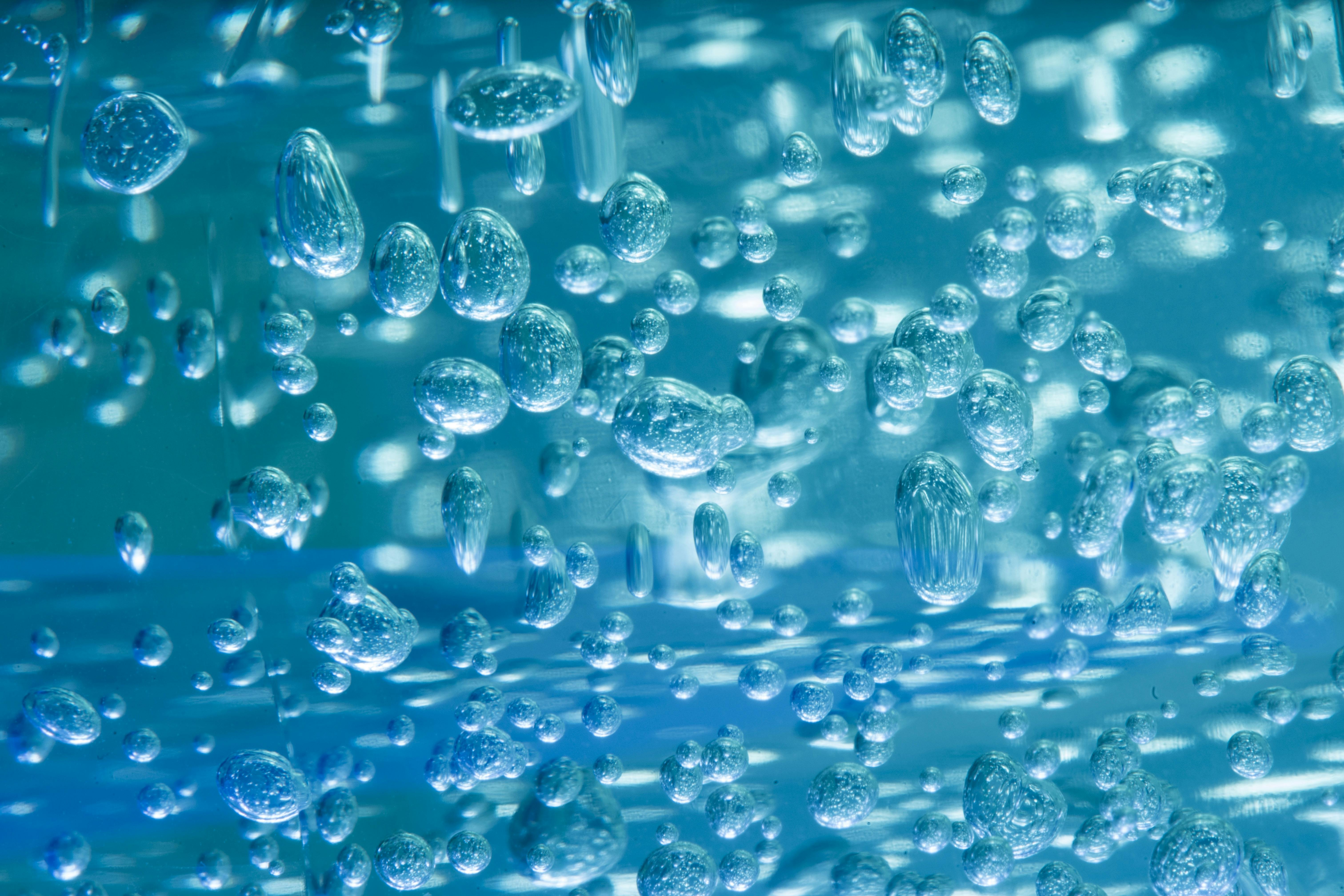
Microplastics in bottled water
Bottled water, which is often seen as a safe alternative to tap water, is becoming the subject of increasing interest due to the presence of microplastics in its composition. In the following article, we will examine this issue, its potential health effects, and ways to minimize the risks associated with consuming liquids that contain elements of plastic degradation. In the face of growing concernsocial, it is essential to understand this phenomenon and to make informed decisions regarding the choice of drinking water.
Last updated: August 26, 2025
In this article, you will learn…
Whatwhat is microplastic?
Microplastic refers to fragments of plastic materials smaller than 5 millimeters, which can originate from the breakdown of larger plastic items as well as from cosmetic products or synthetic clothing.
Additionally, microplastic can be generated from the wear of synthetic materials, such as car tires, which also contributes to environmental pollution. It is worth noting that,that microplastics not only pollute water but also soil and air, creating additional risks for public health.
It is worth remembering: The most commonly encountered types of plastics that can occur as microplastics include:.
The most commonly encountered types of plastics that can occur as microplastics include:
- Polyethylene (PE) – a popular plastic used in the production of film packaging, bottles, and bags.
- Polypropylene (PP) – another commonly used material, utilized for the production of bottles, food containers, and garden furniture.
- Polystyrene (PS) – used for the production of packaging, trays, and disposable cups.
- Polyvinyl chloride (PVC) – used inproduction of pipes, packaging, windows, and other construction products.
- Polyethylene terephthalate (PET) – a popular material used for the production of beverage bottles, cosmetic bottles, and food packaging.
- Polyamides (PA) – materials such as nylon are used, among other things, in the production of clothing, ropes, and packaging.
- Polyetheretherketone (PEEK) – is an advanced technological organic thermoplasticpolymers used in the medical, aerospace, and automotive industries.
- Polytetrafluoroethylene (PTFE) – materials such as Teflon are used in the production of non-stick coatings, for example, on frying pans. Microplastics from PTFE can be generated from the abrasion of these coatings.
Additionally, it is worth noting that microplastics can also arise from other plastics and additives used in their production, such as dyes,stabilizers or softeners.
How does microplastic get into bottled water?
Microplastic can enter bottled water in several ways:
- Environmental pollution – plastic waste thrown into rivers, seas, and oceans can degrade, creating microplastic that can then be transferred to groundwater and sources of drinking water.
- Production and packaging – microplastics can also enter the water during the production and packaging process of bottles, as plastic particles seep into the aquatic environment.
- Transport and storage – during the transport and storage of bottled water, microplastic particles may be released from the packaging and bottles.
- Interaction with packaging – some packaging materials may introduce microplastics intowater as a result of degradation due to sunlight or high temperatures.
Effects of consuming bottled water with microplastics
The presence of microplastics in bottled water may have potential health effects for humans, although the exact consequences are not yet fully understood. Some studies suggest that consuming microplastics may be associated with the following risks:
- Hormonal disorders – some types of microplastics may contain chemicals that can disrupt the hormonal functions of the body.
- Organ damage – microplastics can accumulate in the body and cause damage to organs such as the liver or kidneys.
- Increased risk of diseases – consuming microplastics may increase the risk of various diseases, includingcancers.
- Environmental pollution – microplastics, which are not digested by the body, can be excreted and contribute to environmental pollution.
- Impact on the immune system – some studies suggest that microplastics may affect the functioning of the immune system, potentially leading to reduced immunity.
Ways to minimize riskrelated to microplastics in bottled water
Although the presence of microplastics in bottled water may be difficult to completely avoid, there are ways to minimize the risk of consumption:
It's worth remembering: Microplastics can lead to hormonal disorders, organ damage, and an increased risk of diseases.
- Water filtration – using filterswater, both at home and in hotels or restaurants, can help remove microplastics from drinking water.
- Choosing the right sources of water – drinking bottled water from reliable sources and trusted brands that adhere to strict quality standards.
- Avoiding plastic bottles – instead, it's better to use glass or reusable bottles made from safe materials.for the environment (above all, filtering bottles will be a great choice).
- Support for ecological activities – such activities include reducing plastic consumption, waste segregation, and beach and river cleanup campaigns.
- Education and awareness – raising public awareness about the issue of microplastics and its impact on health and the environment, which may encourage more conscious decision-making.the presence of microplastics in bottled water – summary Microplastics in bottled water pose a significant threat to both human health and the natural environment. For this reason, it is essential to take actions aimed at minimizing the risk of ingestion by using filters, choosing reliable water sources, and promoting ecological initiatives aimed atthe restriction of plastic production and emissions into the environment. At the same time, further research on the effects of microplastic consumption should be pursued, as well as actions aimed at reducing its presence in drinking water.
Frequently Asked Questions (FAQ)
What is microplastic?
Microplastic refers to small fragments of plastics, smaller than 5mm.
How does microplastic get into bottled water?
It enters through environmental pollution, production, packaging, and transportation.
What are the health effects of consuming microplastic?
Microplastic can lead to hormonal disorders, organ damage, and increased risk of diseases.
How can the risk be minimized?related to microplastics?
By filtering water, choosing reliable water sources, and avoiding plastic bottles.
Does microplastic affect the environment?
Yes, microplastic contributes to the pollution of the natural environment.
What ecological actions can be taken to reduce microplastics?
One can reduceplastic consumption, sorting waste, and participating in cleaning actions.
Author: Maciej Waliduda — specialist in water quality and environmental protection, with experience in research on water pollution.
