
- There are no more items in your cart
- Shipping
- Total 0.00 zł



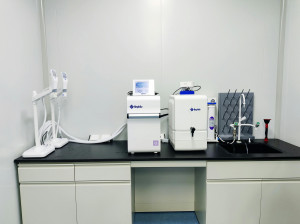


Flocculation is a key process used in water purification, aimed at concentrating and agglomerating microscopic particles into larger clusters. It enables the achievement of clean and clear liquid by effectively removing impurities, bacteria, and other organic substances. As technology advances, this process is gaining importance, and new methods and substances are being introduced to enhance its efficiency and safety.
Last updated: August 26, 2025
In this article, you will learn…
What is the mechanism?flocculation?
The basic mechanism of flocculation involves adding a flocculant to the water, which is a chemical substance that causes small suspended particles in the liquid to aggregate into larger clusters called flocs. This occurs through an adsorption process, where flocculant molecules bind with contaminant particles, forming larger and heavier flocs that settle to the bottom of the tank or can be easily removed using various filtration methods. It is worth noting thatThe effectiveness of flocculation can depend on the pH of the water, temperature, and the presence of other chemical substances, making this process complex and requiring appropriate supervision.
Types of Flocculants
There are many types of flocculants used in the water purification process. The most commonly used ones are:
It's worth remembering: The effectiveness of flocculation can depend on the pHwater, temperatures, and the presence of other chemical substances.
- Organic flocculants – these flocculants are usually organic polymers that form long chains of molecules, binding with contaminant particles to create larger, more easily removable aggregates.
- Inorganic flocculants – these can be metallic salts, such as iron (III) chloride, chlorideclay or aluminum sulfate. These compounds react with suspensions in water, causing the formation of agglomerates (flocs) that can be easily precipitated or filtered out.
- Anionic flocculants – have a negative charge and are effective in removing contaminants with a positive charge, such as certain types of organic compounds.
- Cationic flocculants – have a positive charge and areeffective in removing negatively charged contaminants such as algae, proteins, and organic substances.
- Balanced flocculants – combine the characteristics of both organic and inorganic flocculants, ensuring effective action with minimal side effects.
The choice of the appropriate type of flocculant depends on the type of contaminants present in the water and the conditionsto achieve effective removal of suspended solids and impurities, ensuring that the water meets safety and quality standards for consumption. Flocculation helps in aggregating smaller particles into larger flocs, which can then be easily removed from the water during subsequent treatment stages.
Application of flocculation in practice
Drinking water treatment
Flocculation is an extremely important stage in the process of treating drinking water in water treatment plants. By using appropriate flocculants, it is possibleis the effective removal of microscopic particles of pollutants, bacteria, and other organic substances, which results in obtaining clear and clean drinking water. Modern technologies allow for the automation of this process, increasing its efficiency and precision.
Food industry
In the food industry, flocculation is also used to purify water used in food production processes. Removing it frompollutants ensures the safety and quality of food products. In this context, flocculation contributes to meeting stringent quality standards, which is crucial for consumer health.
Wastewater treatment
Flocculation is also a key stage in wastewater treatment processes, where it allows for the concentration of pollutants into larger flocs that can be easily removed from water through filtration processes orsettling. These actions are not only beneficial for environmental protection but also help in recovering valuable resources, such as water, which can be reused in various industrial processes.
It's worth remembering: Flocculation is an extremely important process used in water treatment that enables effective removal of contaminants by aggregating microscopic particles into larger clusters, calledflokami.
What is flocculation? – summary
Flocculation is an extremely important process used in water purification that allows for the effective removal of contaminants by aggregating microscopic particles into larger clusters called flocs. By using appropriate flocculants, it is possible to obtain clear, clean, and safe liquid for consumption and other industrial applications. As technology advances,As it develops, flocculation becomes increasingly effective, contributing to the improvement of water quality worldwide.
Frequently Asked Questions (FAQ)
What is flocculation?
Flocculation is a water purification process that involves the aggregation of microscopic particles into larger aggregates.
What are the main types of flocculants?
The main types of flocculants are organic, inorganic, anionic, cationic, and balanced flocculants.
How does flocculation affect the quality of drinking water?
Flocculation allows for effective removal of contaminants, resulting in clean and safe drinking water.
Is flocculation used in the food industry?
Yes,flocculation is used for water purification in food production processes, ensuring its quality and safety.
What are the benefits of using flocculation in wastewater treatment?
Flocculation allows for effective removal of contaminants and recovery of valuable resources, such as water.
What factors influence the effectiveness of flocculation?
The effectivenessThe factors influencing flocculation are water pH, temperature, and the presence of other chemical substances.
Author: Maciej Waliduda — a specialist in water purification, with experience in analyzing technological processes and water quality.
