
- There are no more items in your cart
- Shipping
- Total 0.00 zł




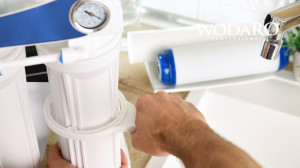
Coagulation is a procedure used in water purification aimed at removing suspended solids, contaminants, and organic substances by forming aggregated particles that can be easily removed from the water. This process plays a key role in obtaining clean and safe liquid for consumption and other applications. In the face of increasing demands for water quality, coagulation is becoming increasingly important in treatment processes, both on an industrial scale,as well as local.
Last updated: August 26, 2025
In this article you will learn…
Coagulation mechanism
Basic mechanismCoagulation involves adding a coagulant, which is a chemical substance that causes the aggregation and clumping of small particles suspended in the liquid, to water. The coagulant causes the newly formed, larger particles to settle at the bottom or to be easily removed through filtration processes. A key element of this process is also proper mixing, which ensures the even distribution of the coagulant in the water, thereby increasing the efficiency of coagulation.
It's worth remembering: The effectiveness of coagulation depends on the pH of the water and the type and concentration of the coagulant used.
Types of coagulants
There are many types of coagulants used in the water purification process. The most commonly used ones are:
- Aluminum sulfate – this is one of the most commonly usedcoagulants. It works by forming complex compounds with impurities, leading to the formation of flocculation, which facilitates the removal of suspensions from water.
- Ferric chloride (III) – a popular option that works similarly to aluminum sulfate, causing coagulation and flocculation of impurities in water.
- Polyelectrolytes – these are polymers that can act as both coagulants,as well as flocculants. They can increase the efficiency of the coagulation process by increasing the molecular weight of the aggregates, which facilitates their removal from water.
- Iron (II) chloride – is mainly used in drinking water purification processes. It works by forming chemical compounds that cause aggregation and removal of contaminants.
- Alum-polymer sulfate –compounds that are a combination of aluminum sulfate and organic polymer. They ensure effective removal of contaminants at lower doses than aluminum salts alone.
The choice of the appropriate coagulant depends on the type of contaminants present in the water, its pH, the availability of raw materials, and the specific requirements of the purification process. In recent years, there has also been an increase in interest in ecological coagulants that are less harmful toenvironments.
Application of coagulation in practice
Drinking water purification
Coagulation is a key stage in the process of drinking water treatment in water treatment plants. The addition of coagulants to water causes impurities and micro-particles to aggregate, forming larger particles that can be easily removed through filtration processes. In In the context of changing water quality standards, the efficiency of coagulation becomes a significant factor in ensuring the health safety of residents.
Water treatment used in industry
Coagulation is also widely used in industry, especially in the chemical, food, and pharmaceutical sectors, where clean water is essential for production processes. The use of coagulants allows foreffective removal of contaminants from liquids, ensuring high quality and purity required in production processes. The increase in regulations regarding water quality in industry makes coagulation increasingly important as a key element of quality management.
It's worth remembering: The coagulation process in drinking water treatment is supported by additional methods such as flocculation and sedimentation, which enhance effectiveness.removal of contaminants.
What is coagulation? – summary
Coagulation is a key process used in water purification, enabling effective removal of contaminants by forming larger particles. By using appropriate coagulants, clean and safe water for consumption and other industrial applications can be obtained. Thanks to itscoagulation is an indispensable stage in the process of advanced water purification. As technology advances and the demands for water quality increase, new methods and substances supporting the coagulation process are also being developed, contributing to further improvement in the efficiency of this process.
Frequently Asked Questions (FAQ)
What iscoagulation?
Coagulation is the process of removing impurities from water by aggregating particles.
What are the main types of coagulants?
The most commonly used coagulants are aluminum sulfate, iron chloride, and polyelectrolytes.
How does the coagulation mechanism work?
The mechanism involves adding a coagulant that causes particles to clump together.suspended in water.
Where is coagulation used?
Coagulation is used in drinking water treatment and in industry.
What are the benefits of using coagulation?
Coagulation allows for effective removal of contaminants, ensuring water purity.
Is coagulation safe for the environment?
Yes, however, the choice of coagulants should take into account their impact on the environment.
Author: Maciej Waliduda — an expert in water treatment with many years of experience in the industry. He specializes in water purification technologies and innovations in environmental protection.
