
- There are no more items in your cart
- Shipping
- Total 0.00 zł



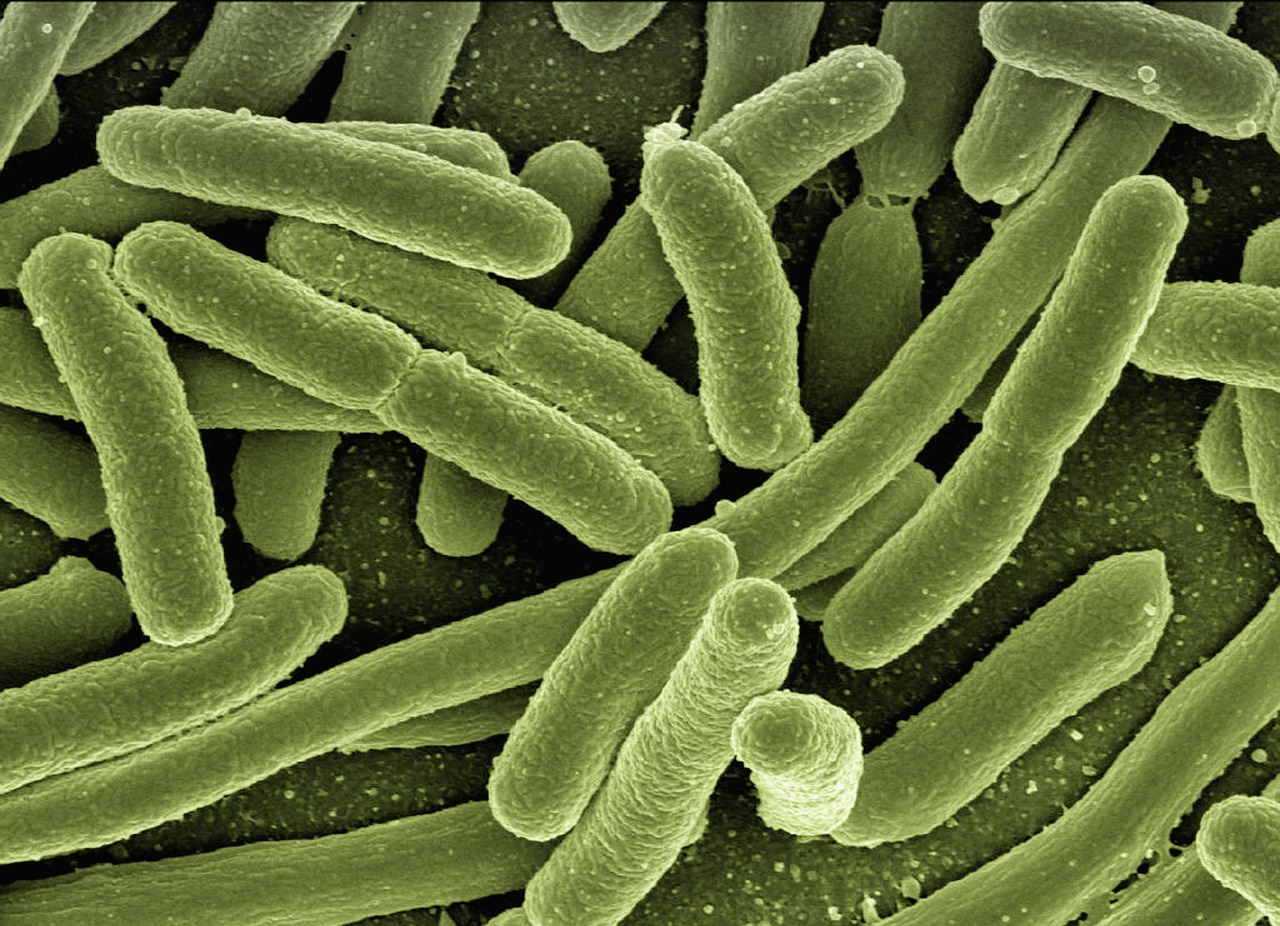
Escherichia coli bacteria in water – definition, contagiousness, and removal methods
Escherichia coli bacteria, often abbreviated as E. coli, is one of the most well-known species of bacteria present in the environment, including in water. In this entry, we will take a closer look at its potential infectivity, the reasons for its presence in water, and effective methods of elimination. Understanding the role that E. coli plays in the aquatic ecosystem, as well as the threats posed by its presence, is crucial for public health protection and water quality.drinking.
Last updated: August 26, 2025
In this article, you will learn…
Definition of E. coli bacteria
Escherichia coli (also known as coliform bacillus) istypes of bacteria belonging to the family Enterobacteriaceae. They are anaerobic fermenters of glucose that belong to the group of Gram-negative rods. However, it should be noted that most strains of E. coli, especially those present in the intestines of humans and animals, are safe and perform beneficial functions in living organisms – they are essential for proper digestion and the synthesis of certain vitamins. However, it should be remembered that somestrains that can be pathogenic and pose a health risk.
It's worth remembering: There are many strains of E. coli, most of which are harmless, but some can cause serious illnesses.
Is E. coli bacteria contagious?
Not all strains of E. coli bacteria are contagious; however, there are alsothat can cause diseases in humans. The most well-known pathogenic strain E. coli is O157:H7. This strain is transmitted through the consumption of contaminated food, water, or through contact with infected individuals. Because it produces Shiga toxin (STEC), it is responsible for foodborne illnesses that can lead to many serious problems.health. It is also worth noting that some strains can cause symptoms such as diarrhea, abdominal cramps, and vomiting.
As mentioned above, it all depends on the strain of E. coli – many of them are found in the environment and have no negative impact on the human body, while others can pose a serious threat to public health. Therefore, monitoring the presence of E. coli in wateris extremely important. Monitoring water quality and conducting regular microbiological tests are crucial for protecting the health of residents.
Causes of the presence of E. coli bacteria in water
There are several main sources and causes of the presence of E. coli bacteria in water:
- Sewage contamination– one of the main sources of E. coli presence in water is contamination with human or animal sewage. These bacteria can enter rivers, lakes, and wells as a result of sewage leaks or runoff from agricultural areas where fertilizers are used.
- Animal contamination – animals such as cattle, waterfowl, and wildlife can be carriers of E. bacteria.E. coli and contaminate water through waste.
- Lack of proper water purification – drinking water that is not properly purified may contain E. coli. Appropriate purification processes, such as disinfection or chlorination, are necessary to eliminate this bacteria.
- Environmental conditions – E. coli bacteriacan survive in water depending on environmental conditions such as temperature, pH, and nutrient availability. For example, in warmer waters, E. coli can reproduce more quickly, increasing the risk of contamination.
Methods of removing E. coli bacteria from water
Removing E. coli bacteria from water is crucial forensuring the safety of drinking water and preventing infections. Here are some effective methods for removing E. coli from water:
It's worth remembering: The bacterium Escherichia coli can be present in water, but not all of its strains are infectious.
- Chlorine disinfection – this is a common method for eliminating E.Chlor destroys the cell membrane of bacteria and eliminates them.
- Filtration – advanced filters can effectively remove E. coli bacteria from water by trapping them on the filter surface. It is worth investing in high-quality filtration systems that are regularly maintained.
- Ultraviolet (UV) radiation andozonation – these are effective disinfection processes that can kill E. coli and other microorganisms by destroying their genetic material. These methods are increasingly used in modern water purification systems.
- Anaerobic fermentation – some wastewater treatment plants use this process for removing E. coli bacteria and others.organic pollutants. It is an effective method that supports biological processes in wastewater treatment plants.
- Source control – preventing water pollution from the very beginning, for example through proper waste management and agriculture, can help in reducing the presence of E. coli in water.
E. coli bacteria –summary
Escherichia coli bacteria can be present in water, but not all of its strains are infectious. Only the presence of pathogenic strains of E. coli can pose a serious threat to public health. Therefore, water quality control, appropriate treatment, and disinfection arekey to ensuring safe drinking water. It is also important to take care of the natural environment and monitor pollution sources to reduce the presence of E. coli in water and protect your health.
Frequently Asked Questions (FAQ)
What are the symptoms of E. coli infection?
Symptoms of E. coli infection may include diarrhea, abdominal crampsand vomiting.
How can the presence of E. coli in water be tested?
The presence of E. coli in water can be tested using microbiological tests available in laboratories.
Can E. coli be removed from drinking water?
Yes, E. coli can be removed from drinking water using various methods such as disinfection, filtration, or UV radiation.
What are the health effects of E. coli infection?
E. coli infection can lead to serious health problems, including hemorrhagic diarrhea and kidney damage.
What sources of contamination can lead to the presence of E. coli in water?
Sources of contamination include sewage, animal waste, and improper water treatment.
WhatAre there methods to prevent water contamination by E. coli?
Prevention methods include proper waste management, animal husbandry control, and regular monitoring of water quality.
Author: Maciej Waliduda — a specialist in water quality and purification technology. He has experience in microbiological water analysis.and in practical solutions related to public health protection.
