
- There are no more items in your cart
- Shipping
- Total 0.00 zł



Water treatment in the cosmetics industry
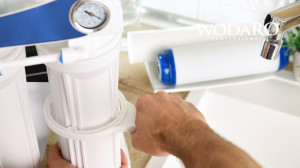
Water is one of the most important ingredients in many cosmetics. Its quality can affect the effectiveness and quality of these products. Proper water treatment is therefore crucial in their production process. In the face of increasing demands for the quality and safety of cosmetics, the importance of water treatment in the cosmetics industry is becoming increasingly significant.
Last updated: August 262025
In this article, you will learn…
- What are the water requirements in cosmetics?
- What is water used in the cosmetics industry – the water treatment process?
- What is filtration?
- What ischemical treatment?
- What is Microbiological Conditioning?
- What is Ion Conditioning?
- What is Water Quality Monitoring?
- What is Water in Cosmetics – Summary?
Water Requirements in Cosmetics
As mentioned in the introduction, water is one of the main ingredients in most cosmetics. Therefore, for cosmetic products to be effective and safe for consumers, it must meet specific requirements regarding quality and purity.
It is worthWater in cosmetics must meet strict quality standards to ensure the safety and effectiveness of the products. Regulations governing the production of cosmetics require that water meets microbiological purity requirements and is free from toxic substances such as heavy metals, pesticides, and chemical contaminants. Additionally, it must also be free from odors, flavors, and colors that may affect the composition andquality of cosmetic products.Water used in the cosmetic industry – water treatment process
The water treatment process in the cosmetic industry usually consists of several stages that are responsible for removing impurities and ensuring the appropriate quality of water.
Filtration
Filtration is one of the basic processes of water treatment, which involves the removal of solid particles from water, such as sand, silt, algae, mud, and other contaminants. It can be carried out using various types of filters (e.g., with sand, activated carbon, or osmotic membranes).
Chemical treatment
Chemical treatment is another conditioning process that can be used to remove undesirable chemical substances from water, such as chlorine, fluorine, nitrates, phosphates, and heavy metals. This method may include processes such as coagulation, flocculation, oxidation, reduction, and neutralization.
It's worth remembering: Filtration is a key stage in the treatment process that ensures water purity.Microbiological treatment
Microbiological treatment is a process aimed at eliminating bacteria, viruses, and other harmful microorganisms from water. There are various types of this method, such as disinfection.using chlorine, ozonation, UV radiation, or filtration through microbiological membranes.
Ion exchange
Ion exchange involves removing ionic compounds such as mineral salts from water, which can affect the composition and quality of cosmetic products. This process may include water softening, reverse osmosis, orelectrodialysis.
Water quality monitoring
The final stage of the water treatment process in the cosmetics industry is monitoring the water condition. It must be regularly tested and assessed for quality, purity, and compliance with regulatory requirements.
It is worthRegular monitoring of water quality is essential for ensuring the safety of cosmetics. Water in cosmetics – summary Water is a key ingredient in many cosmetic products, and its quality has a direct impact on the effectiveness and quality of these products. Therefore, the water treatment process is extremely important in theirproduction. Proper water treatment can be achieved through various processes such as filtration, chemical treatment, microbiological treatment, and ion exchange. Furthermore, monitoring water quality is also crucial.
Frequently Asked Questions (FAQ)
What are the main stages of water treatment in cosmetics?
Mainstages are filtration, chemical treatment, microbiological conditioning, and ionic conditioning.
Why is water quality important in cosmetics?
Water quality affects the effectiveness and safety of cosmetic products.
What impurities are removed during filtration?
Solid particles such as sand, silt, algae, and mud are removed.
What water disinfection methods are used?
Methods such as chlorination, ozonation, UV radiation, and membrane filtration are used.
What is ion exchange?
Ion exchange involves removing ionic compounds, such as mineral salts, from water.
How often should water quality be monitored?
QualityWater should be monitored regularly to ensure its compliance with standards.
Author: Maciej Waliduda — a specialist in water treatment and water technology, with many years of experience in the cosmetics industry.
