
- There are no more items in your cart
- Shipping
- Total 0.00 zł



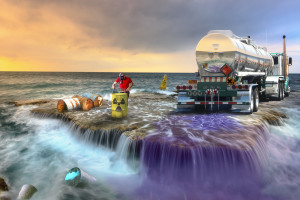

What are the effects of water pollution and how can we reduce them?
Water is one of the most important resources on our planet, essential for life in all its forms. Unfortunately, in recent decades, water around the world has become increasingly polluted, leading to serious problems for the health of people, animals, and the overall condition of the environment. In this article, we will discuss the effects of pollution and ways that can help improve this situation.
Lastupdate: August 26, 2025
In this article, you will learn…
Effects of water pollution
As mentioned in the introduction, pollutionwater pollution can have serious consequences for the health of humans and animals, as well as aquatic ecosystems. Below we will present only some of the most important effects.
Water pollution can cause diseases and poisoning in humans and animals. Bacteria, viruses, fungi, parasites, pesticides, and industrial chemicals are just some of the substances that may be present in dirty water. Their presence can lead to diseases such as diarrhea,cholera, tetanus, Legionnaires' disease, and other infectious diseases. In extreme cases, water contamination can even lead to death.
It is important to remember: Water pollution is a global problem that requires joint actions at multiple levels to effectively address it.
Another issue is the impact of pollutants on aquatic ecosystems, which is serious and long-lasting. They can disrupt their balance, leading to a decrease in the populations of fish, crustaceans, and other aquatic organisms. This situation, in turn, also affects people who rely on these ecosystems for fishing, recreation, and other purposes.
Water pollution can also lead to a reduction in the amount of available water that can be used for drinking, industrial, and agricultural purposes. This, in turn, leads to water scarcity.for people and animals as well as for issues related to food production.
How to reduce water pollution?
There are many ways that can help reduce water pollution. Below we present a few of them.
Control of sources
The best way to reduce water pollution is to control the sources of pollution. This can be achieved by limiting the emissions of pollutants into the air, soil, and water, reducing the use of pesticides and artificial fertilizers in agriculture, and increasing emission controls from industrial sources.
Improvement of water infrastructure
Improvement of water infrastructure, such as sewage treatment plants, can help enhance the quality of aquatic ecosystems. The used devices and technological facilities are capable of removing pollutants from water before it is released into rivers, lakes, and seas.
It is worth Investments in modern water purification technologies are crucial for protecting public health and the environment.
Responsible use of water resources
Another way to reduce water pollution is through the responsible use of water resources. We can all contribute to improving water quality in this way.How? For example, by reducing the consumption of drinking water, using eco-friendly products, and increasing awareness about water pollution.
Summary
In summary, water pollution is a serious problem that can have severe consequences for the health of people, animals, and the environment.There are effective ways that can help reduce this problem. These include: controlling pollution sources, improving water infrastructure, and responsible use of water resources. We can all contribute to improving water quality, and thus to protecting the environment and our health!
Frequently Asked Questions (FAQ)
What are the main sources of water pollution?
The main sources of water pollution are industry, agriculture, municipal sewage, and waste.
What are the effects of water pollution on health?
Contaminated water can lead to serious illnesses such as diarrhea, cholera, or poisoning.
What are the methods of water purification?
Water purification methods include filtration, sedimentation, disinfection, and biological treatment.
Are there regulations regarding water protection?
Yes, there are national and international regulations aimed at protecting water resources.
What actions are taken to protect water?
Actions include legal regulations, public education, andinvestments in water infrastructure.
How can we individually contribute to water protection?
We can save water, avoid using chemicals, and support local water protection initiatives.
Author: Maciej Waliduda — a specialist at MojaWoda.com, dealing with water resource protection issues andsustainable development.
