
- There are no more items in your cart
- Shipping
- Total 0.00 zł





Why is water treatment in agriculture important?
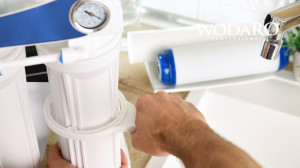
Water plays a key role in agriculture, and its quality has a direct impact on yields and plant health. Water treatment is an essential process that allows for the elimination of contaminants such as bacteria, viruses, heavy metals, pesticides, and fertilizers. In the face of a changing climate and increasing food production needs, proper management of water quality becomes even more crucial.
Last updated: August 26, 2025
In this article you will learn…
Sources of water pollution in agriculture
The use of untreated water for irrigation increases the risk of spreading harmful bacteria and viruses that can contribute to various diseases (e.g., diarrhea, typhoid fever, or even cholera). The most common factors generatingpollutants in water include fertilizers, pesticides, and aquaculture wastewater.
Fertilizers
Fertilizers are one of the most common sources of water pollution in agriculture. They contain various chemical substances, such as nitrogen, phosphorus, and potassium, which are essential for plant growth. However, when used in excessive amounts, they can leach into groundwater andsurface, leading to an increase in pollution levels. To prevent such a situation, fertilizers should be used moderately or alternative fertilization methods in the form of organic varieties should be chosen.
It is worth remembering: The use of organic fertilizers can help reduce water pollution.
Pesticides
Pesticides are used in agriculture to combat pests and plant diseases. These chemical substances are very effective, but unfortunately, they can contaminate water when they seep into groundwater and surface waters. Pesticides can lead to a decrease in water quality, which can negatively affect plants and aquatic animals. To minimize the impact of pesticides on water, they should be used, just like fertilizers, in moderation.animal waste.
Animal waste
Animal waste is another source of water pollution in agriculture. Raising animals such as cows, pigs, or chickens leads to the generation of large amounts of organic waste that can seep into groundwater and surface waters. Animal waste can contain various harmful substances, such as nitrogen andphosphorus, which can lead to an increase in algae levels and other harmful aquatic organisms. To minimize the impact of aquaculture wastewater on water, effective systems for its drainage and storage should be implemented.
How to treat water in agriculture?
The choice of water treatment method is a personal matter. It all depends on what we need it for.When growing plants, the most important parameters are: salinity, hardness, and pH. To reduce hardness, water softeners with ion exchange resins or reverse osmosis filters will be effective.
In animal husbandry, disinfection of water will be crucial. The most commonly used methods for this purpose are: chlorination, aeration, ozonation, and acidification. Additionally, special attention should be paid to the maintenance of the supply system.water.
In recent years, innovative water treatment technologies have also been developing, such as biological filtration systems and the use of nanotechnology. These modern solutions can significantly improve water quality by eliminating even the smallest contaminants.
It is important to remember: Regular monitoring of pesticide levels in water is crucial forprotection of aquatic ecosystems.
In the context of climate change and increasing food production demands, water treatment in agriculture is becoming not only a necessity but also a key element of sustainable development. Proper management of water resources can improve crop quality and protect the environment.
Frequently Asked Questions (FAQ)
What are the most common water pollutants in agriculture?
The most common pollutants are fertilizers, pesticides, and livestock waste.
What water treatment methods are the most effective?
Effective methods include softening, osmotic filtration, and disinfection.
Why is water quality important for crops?
Water quality affects plant health and crop quality, which directly translates into crop yield.
What are the effects of using excess fertilizers?
Excess fertilizers can lead to the contamination of groundwater and surface water, which harms ecosystems.
What innovations in water treatment are currently being introduced?
Technologies are being introducedsuch as biological filtration and nanotechnology.
What dangers are associated with the use of pesticides?
Pesticides can contaminate water, which affects the health of plants, animals, and humans.
Author: Maciej Waliduda — a specialist in water treatment, with experience in the agricultural sector andenvironmental protection.
