

Ventilating water treatment systems, such as reverse osmosis, cartridge filters, water softeners, or iron removers, is crucial for their proper functioning. The presence of air in these devices can lead to issues such as cloudy water or reduced filtration efficiency. Proper venting not only improves water quality but also extends the lifespan of filters and the entire system. Below we provide detailed instructions on how to vent a reverse filter.osmosis and others.
Last updated: August 26, 2025
In this article you will learn…
- How to bleed the reverse osmosis tank?
- How to bleed the entire reverse osmosis system?
- How to bleed inline filters and othersfiltration systems?
- Do water softeners or iron removers need to be vented?
- What to do when cloudy water comes from the filter?
- What is the process of venting water filtration systems and stations - summary?
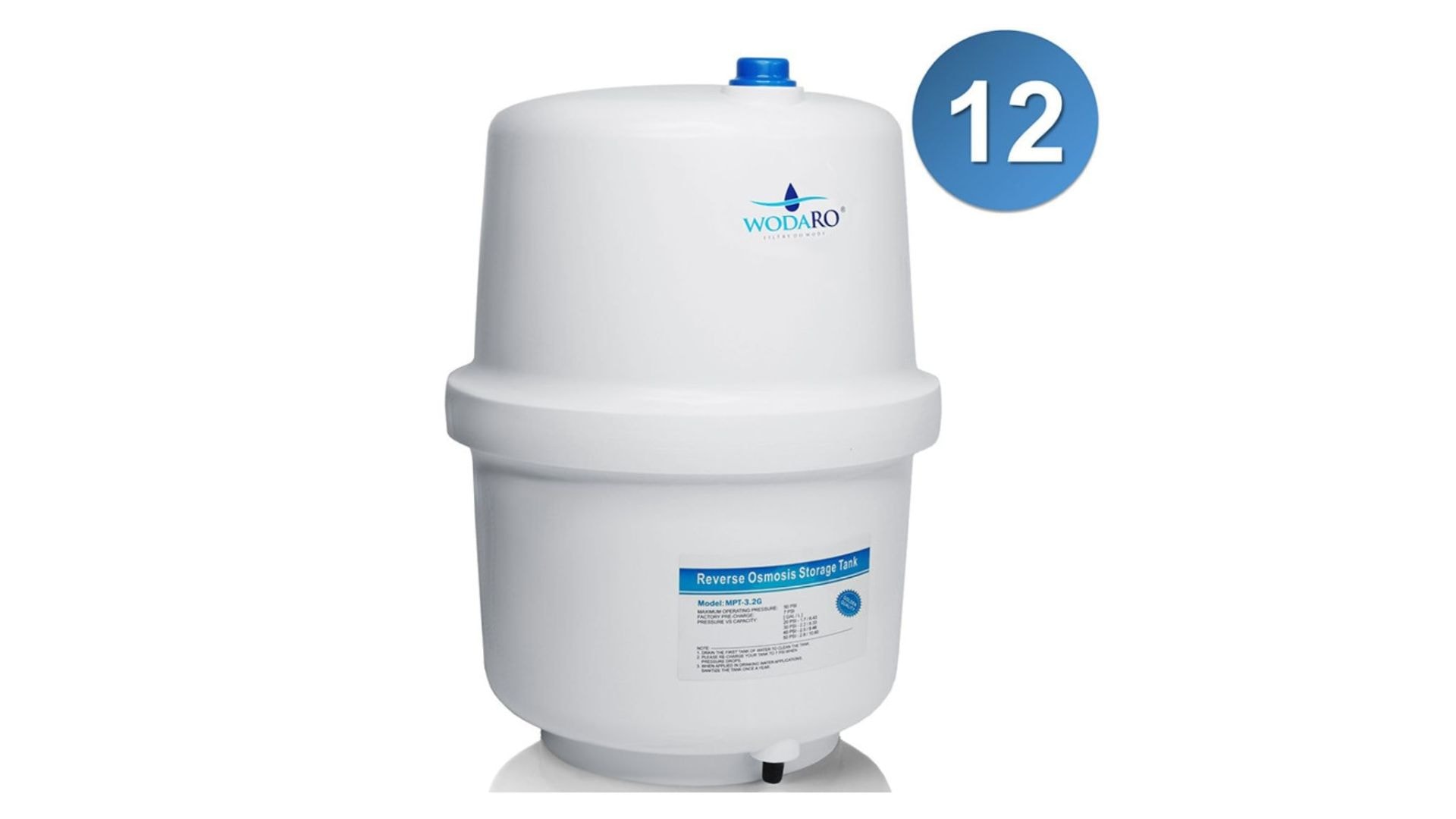
How to vent a reverse osmosis tank?The tank in the reverse osmosis system serves as a storage for purified water. The presence of air in the tank can cause decreasing water pressure and cloudiness (this does not immediately indicate that the water hardness is high). To vent the tank: It is worth remembering: The appropriate pressure in the reverse osmosis tank is just as important as the cleanliness of the filters.Regularly checking and inflating the air is key to maintaining the efficiency of the entire system.
- Disconnect the tank from the system: Close the water supply valve to the system and the ball valve of the tank. Disconnect the hose connecting the tank to the filtration system.
- Drain the water from the tank: Open the tap of purified water to empty the tank ofwater. If water does not flow, it may indicate a lack of air pressure in the tank.
- Check the air pressure in the tank: After completely emptying the tank, measure the air pressure using a manometer connected to the air valve (similar to that in car tires). The optimal pressure in an empty tank should be around 0.7 bar.
- Pump air if necessary.needs: If the pressure is lower than recommended, use a hand pump or compressor to inflate the air to the appropriate level. Make sure not to exceed the recommended pressure to avoid damaging the tank membrane.
- Reconnect the tank to the system: After setting the correct pressure, connect the hose linking the tank to the filtration system, open the ball valve on the tank andvalve supplying water to the system.
- Check the system operation: Allow the tank to fill with water (this usually takes 1 to 3 hours). Then open the purified water tap and check if the flow is adequate. If the issue with low water pressure persists, it may indicate the need to replace the osmotic membrane or other components.
How to bleed the entire reverse osmosis system?
Bleeding the entire reverse osmosis system is important, especially after replacing filters or maintenance. To do this:
- Close the water supply: Turn off the valve supplying water to the system.
- Openpurified water tap: This will allow pressure to be released in the system.
- Check filters and connections: Make sure all filters are properly installed and connections are tight.
- Turn on the water supply: Open the water supply valve and watch the system for leaks.
- Bleed the system: Allow,to allow water to flow through the system (water from both taps) for a few minutes, which will help remove air from the pipes and filters. During this process, tilt the system left and right by 30 degrees, each time keeping the filter tilted for about 10 seconds.
- Check the water quality status: After venting, check if the water is clear and free of air bubbles.
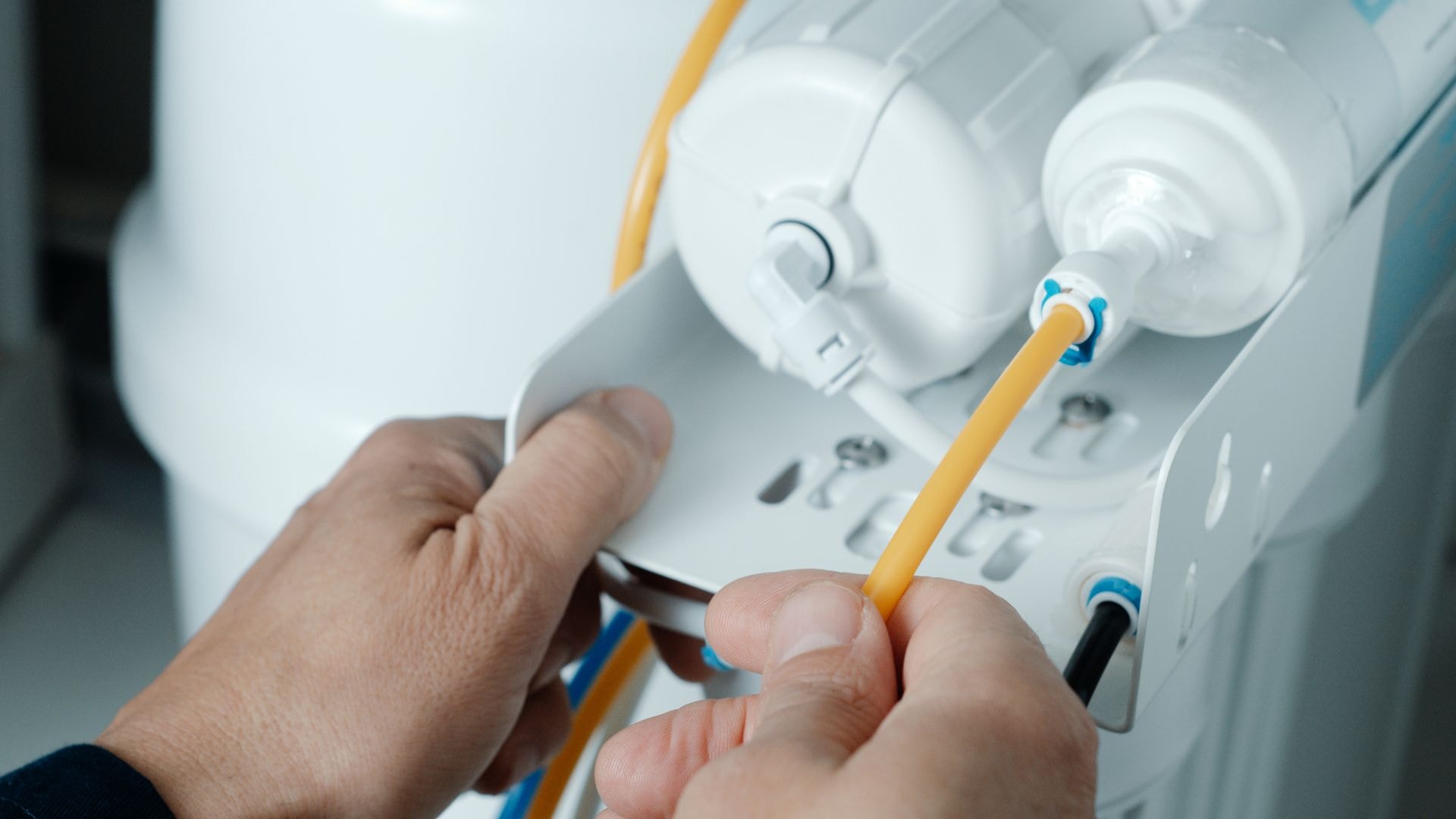
How to bleed inline filters and other filtration systems?
Inline filters, mounted directly on pipes, and other filtration systems also require bleeding. Remember that air in the filters can cause pressure drops and cloudy water. Here are the steps to follow:
- Close the water supply: Turn off the valve beforefiltrem.
- Open the tap: To release pressure from the system.
- Check the filter cartridge: Make sure it is properly installed.
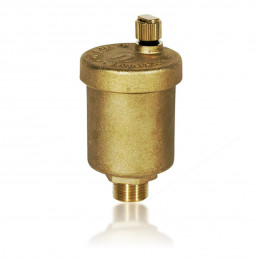
- Bleed the filter: If the filter housing has a bleed valve, open it to remove air. If not, gently loosen the housing until air escapes, then tighten it back up.I will do it again.
- Open the water supply: Slowly open the valve, allowing water to fill the filter.
Do water softeners or iron removers need to be vented?
Softeners and iron removers are designed to automatically remove air during normal operation. However, after installation, maintenanceor the replacement of the filtration medium, air may be introduced. In such cases, it is recommended to perform a manual regeneration cycle or use the air release valves if available. It is also advisable to regularly monitor their operation to ensure that there are no issues with water pressure.
What to do when cloudy water comes from the filter?
Cloudy water from the filter may be the result of the presence of air in the system.or problems with the filters themselves. To resolve this issue:
It is worth remembering: Regular maintenance and venting of water treatment systems ensure their efficient operation and high water quality.
- Vent the system: Follow the above instructions for venting the filters and tank.
- Check the filter status: Make sure the filters are clean and do not need replacement.
- Check the connections: Ensure that all connections are tight and there are no leaks.
- Contact service: If the problem persists, consult with the service or the device manufacturer.
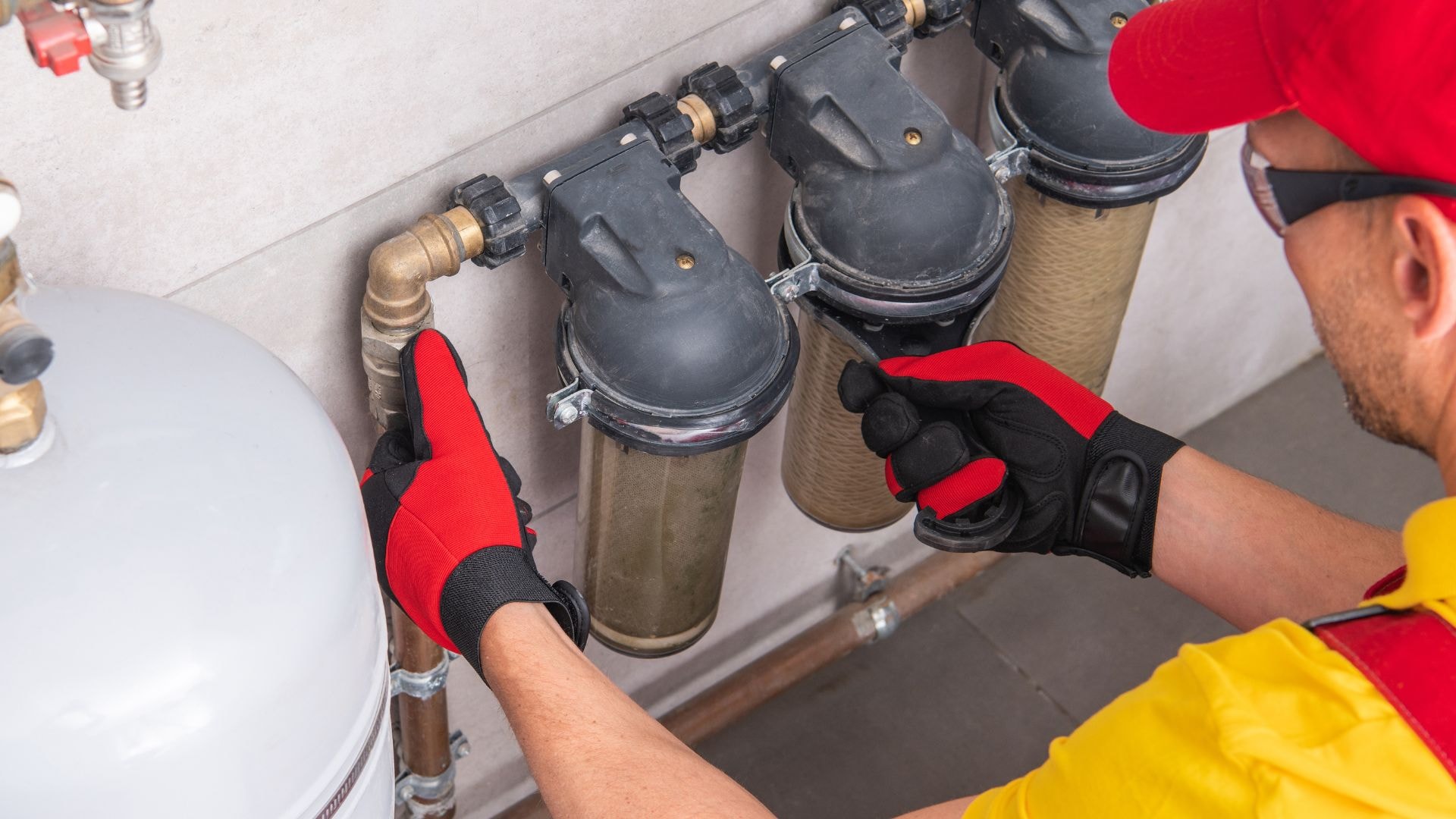
Ventilation of water treatment systems and filter stations - summary
Regular maintenance and ventilation of water treatment systems ensure their efficient operation and high water quality. Remember to conduct periodic inspections and take care of your devices to avoid a decrease in filtration efficiency and enjoy clean, clear water every day. Regular monitoring of the condition of filters and pressure in tanks will help avoidan unpleasant surprise.
Frequently Asked Questions (FAQ)
What pressure should be in the reverse osmosis tank?
The pressure in an empty tank should be around 0.7 bar. It should be measured when the tank is completely emptied of water.
What causes cloudy water from the filter?
Cloudy water isthe presence of air in the filtration system. It may also be caused by problems with the filters or leaking connections.
Do water softeners and iron removers need to be bled?
Usually, these devices bleed automatically. Manual bleeding is only necessary after installation or maintenance, e.g., by starting the regeneration cycle.
How to bleedfilter without a vent valve?
If the filter does not have a valve, gently loosen its housing until you hear air escaping, and then tighten it again. It is important to do this slowly and carefully.
How to check if reverse osmosis is vented?
After venting, the water flowing from the tap should be clear and free of air bubbles. Also check ifthe water pressure in the faucet is appropriate.
How to bleed the entire reverse osmosis system?
After replacing the filters, open the water supply valve and let the water flow through the system for a few minutes. It is advisable to gently tilt the system from side to side to release trapped air.
Author: Maciej Waliduda —water treatment specialist with many years of experience in the industry.