
- There are no more items in your cart
- Shipping
- Total 0.00 zł



Bacteria in water. What to do about them?
Bacteria in water pose a very serious problem, as they can cause numerous food poisoning incidents. Therefore, it is worth taking a closer look at this issue. Water that is not properly purified can be a source of many diseases, which is why it is so important to be aware of potential threats and methods for their elimination.
Last updated: August 26, 2025
In this article, you will learn…
Bacteria in drinking water and food poisoning
Those who have experienced bacterial water poisoning know that it is no joke. This ailment can manifest itself through nausea, vomiting, abdominal pain, or diarrhea. Consequently, our body becomes weakened and severely dehydrated. Poisoning by bacteriatypically lasts from 1 to 3 days, but in extreme situations, it can extend to a week or even longer (the type of bacteria and our overall health have a significant impact on this). In short – it is not pleasant at all!
What bacteria can be found in water?
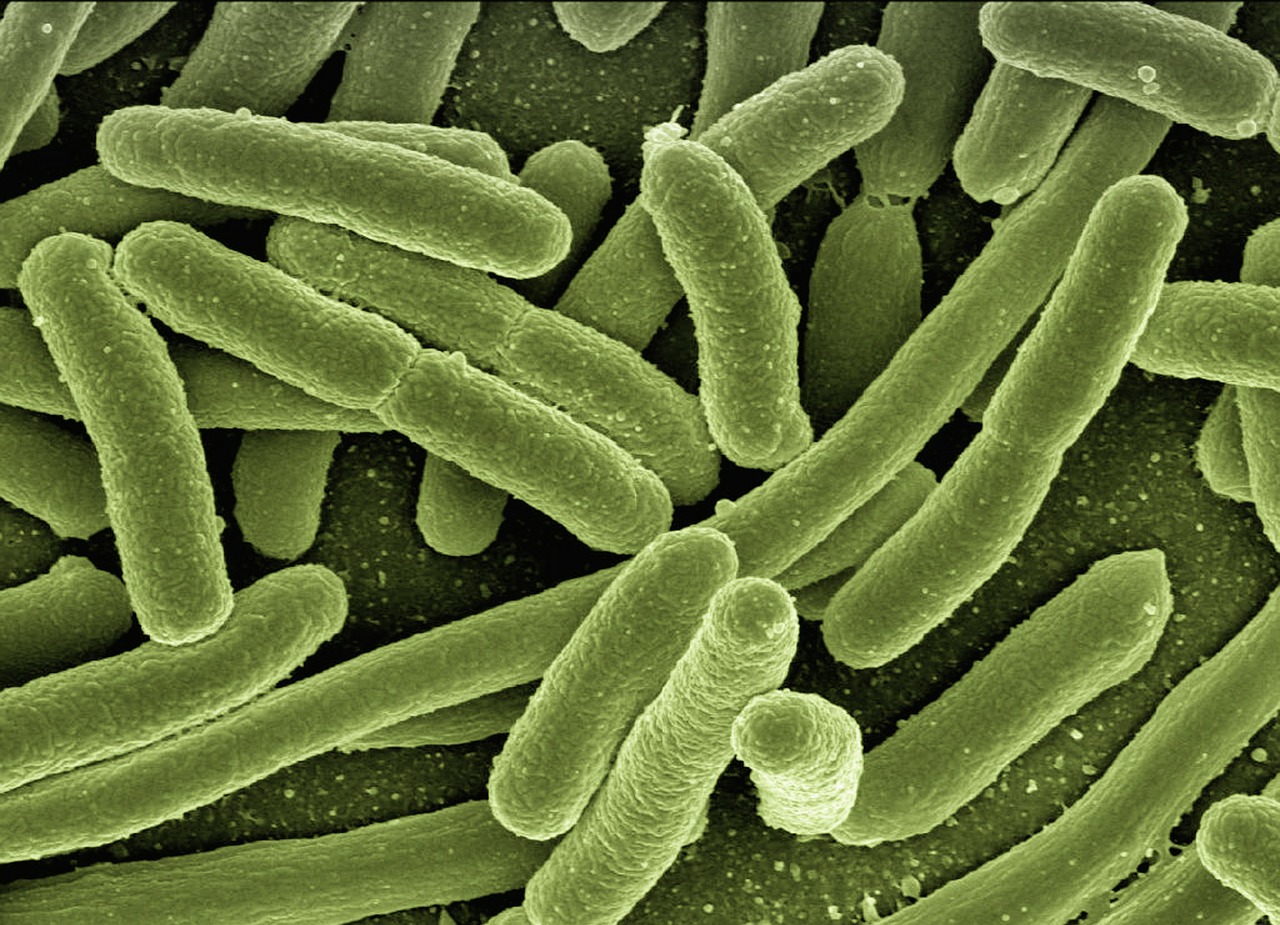
Poisoning can be caused by various strainsbacteria. When it comes to water, the most common ones found in it are:
It is worth remembering: The most dangerous from this list are the last two strains – E. coli, which are coliform bacilli, and enterococci, which are fecal streptococci – and these are particularly the ones we should avoid in sanitary installations.
- Salmonella (a type of bacteria from the Enterobacteriaceae family that attacks the digestive system),
- Campylobacter (causes campylobacteriosis),
- Shigella (one of the most common pathogens causing dysentery, or bacterial dysentery),
- Clostridium (causes pseudomembranous colitis),
- Enterococcus faecalis (so-calledenterococci),
- Escherichia Coli (popular bacteria E. coli).
The most dangerous on this list are the last two strains – E. coli, which are coliform bacteria, and enterococci, which are fecal streptococci – and these are particularly what we should be concerned about.avoid in sanitary installations. Water contaminated with these bacteria can lead to serious health problems, which is why it is so important to regularly monitor water quality.
If you care about a thorough examination of the water, you can also take advantage of a comprehensive bacteriological analysis. This will help you understand the actual scale of the problem – what quality the water is when you turn on the tap and whether it is contaminated.Many laboratories offer such services, allowing for a quick and precise determination of water quality.
How to remove bacteria from tap water?
Effective elimination of microorganisms (such as E. coli bacteria in water) is possible through thorough disinfection. It is best to do this in two stages. Here’s howshould look like the process of removing harmful bacteria from water:
- chlorination of the system – a very effective solution that is also budget-friendly. Thanks to this, chlorine-based agents penetrate the farthest corners of the system, thoroughly eliminating the bacteria living in them;
- use of a germicidal lamp – this is a very effective and safea way to avoid harmful microorganisms in water. By installing a professional UV lamp, we can be sure that the water flowing from our tap will be clean and healthy.
It is also worth remembering that regular inspections and maintenance of the water system are crucial for ensuring its proper functioning. This can help avoid the accumulation of bacteria and other contaminants in the system. In case ofIf any irregularities are found, it is recommended to take immediate corrective action.
How to test drinking water?
If you suspect that your water may be contaminated, it is advisable to conduct appropriate tests. This can be done independently using available water testing kits or by commissioning tests from professionals.laboratory. These tests allow you to detect the presence of bacteria, heavy metals, and other harmful substances. Regular water testing is especially important for individuals using their own water sources.
It's worth remembering: This can be done by chlorinating the system and using a UV germicidal lamp.
In case bacteria are detected,It is necessary to take appropriate actions, such as water disinfection and future water quality control, to ensure its safe use.
In summary, bacteria in water pose a serious health risk. Therefore, it is essential to regularly monitor water quality, apply appropriate disinfection methods, and conduct tests to minimize the risk of poisoning.gastrointestinal.
Frequently Asked Questions (FAQ)
What symptoms may occur in case of bacterial poisoning from water?
Symptoms include nausea, vomiting, abdominal pain, and diarrhea.
What bacteria are most commonly found in water?
The most common bacteria include Salmonella, Campylobacter, Shigella, Clostridium, Enterococcus faecalis, and Escherichia coli.
How can tap water be disinfected?
This can be done by chlorinating the system and using UV germicidal lamps.
How often should drinking water be tested?
Regular testing is recommended, especially when using private water sources.
What to do if the water is contaminated?
Disinfect the water and monitor its quality in the future.
What are the effects of long-term consumption of contaminated water?
It can lead to serious health problems, including chronic gastrointestinal diseases.
Author: Maciej Waliduda — a specialist in water quality, focusing on the analysis and improvement of sanitary standards in water installations.
