

Free delivery in Poland from 200 zł

14 days to return your order

Efficient order processing


Technical support 24/7!

Over 27 years of experience
Filter media
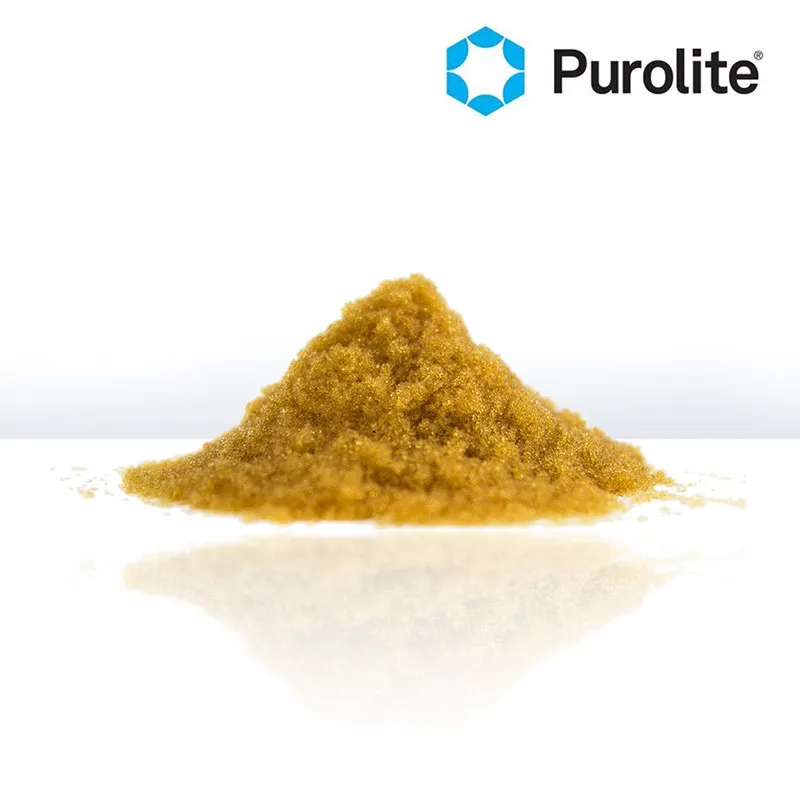
C100E Purolite softening resin
Rating
Purolite C100E is a strongly acidic cation exchange resin (gel, polystyrene) in sodium form for water softening. It exchanges calcium a Read moreShow less
Purolite C100E is a strongly acidic cation exchange resin (gel, polystyrene) in sodium form for water softening. It exchanges calcium and magnesium ions for sodium, thereby reducing water hardness. Used in domestic and industrial softeners as well as a medium for filters and filling cartridges. Regeneration: brine (rock salt) or hydrochloric acid. The price refers to a 1-liter package.
Specifications

C100E-1L
In stock
- Application
- Demineralization, Industrial
- Filter media
- Ion-exchange resin
- Media volume
- 1 l
- Product type
- Filter media / resin
Description
C100E Purolite softening media is a high-quality ion-exchange resin for water softening, intended for domestic and industrial applications. This specialized water filter in media form effectively removes calcium and magnesium ions, supporting efficient water treatment in softeners, media filters, and selected solutions such as an osmotic filter or components of a water filtration system. The resin operates in sodium form, is suitable for contact with drinking water, and can be regenerated with rock salt solution or hydrochloric acid. The price applies to a 1-liter package.

Effective water softening in domestic and industrial installations
Purolite C100E is a polystyrene, strongly acidic cation exchange resin with a gel structure, supplied in sodium form. Its action is based on ion exchange: the media removes calcium and magnesium ions responsible for hardness from the water, replacing them with sodium ions. As a result, the water becomes soft, which improves installation comfort and reduces typical problems associated with scale buildup.
The media is used, among others, in whole-house water softeners, as well as in devices used in various treatment processes. Thanks to its characteristics, it can operate in both domestic and industrial systems.
How Purolite C100E resin works
The C100E ion-exchange resin has been developed to effectively reduce water hardness. In practice, this means that as water flows through the media, ions causing hardness are exchanged for sodium ions. This is a proven technology used for years in softening systems, as well as in selected systems where water preparation for further treatment stages is required.
Purolite C100E can operate not only in the softening process, but also in demineralization. This makes it suitable wherever a stable, efficient, and predictable ion-exchange media is needed.
Media applications
This softening media can be used in many types of devices and filter housings. It works particularly well in installations where water hardness reduction and periodic regeneration of the filter material are important.
- in whole-house water softeners,
- in domestic and industrial water softening devices,
- in standard 10-inch filters as a refill media in cartridges,
- in reusable disassemblable filters,
- as media for solutions such as a linear filter for osmosis,
- in drinking water softening installations,
- in systems where water comes into contact with food.
In practice, this means great application flexibility: from classic softeners, through media for inline filter housings, to selected components of installations working with solutions such as reverse osmosis, reverse osmosis filter, or reverse osmosis system, where proper water preparation can support the entire treatment process.
Chemical resistance and thermal stability
Purolite C100E is insoluble in diluted or moderately concentrated acids, bases, and all typical solvents. This is an important functional feature in many operating applications.
However, it should be remembered that exposure of the resin to significant amounts of free chlorine, hypochlorite ions, or other strong oxidizing agents leads to gradual degradation of its structure through disruption of cross-linking. The result is a reduction in the resin's exchange capacity and deterioration of its physical properties.
Like all conventional cross-linked polystyrene-type resins, this material is thermally more stable in sodium, calcium, and magnesium form than in hydrogen form. In these forms it is resistant to temperatures up to 150°C. In hydrogen form, however, the resin slowly undergoes autohydrolysis, losing capacity at temperatures above 120°C. It may also be used at higher temperatures, but the shorter service life must be taken into account.
Important operating guidelines: to maintain the high efficiency of the media, contact with free chlorine, hypochlorite ions, and other strong oxidizing agents should be limited. In applications requiring operation at elevated temperatures, the impact of temperature and the ionic form of the resin on its durability and exchange capacity must be taken into account.
Regeneration and further use
When the media becomes exhausted and the ions responsible for hardness begin to appear in the effluent, its capacity can be restored by regeneration. In the case of Purolite C100E, regeneration is carried out with hydrochloric acid or rock salt solution. This allows the media to be reused in subsequent operating cycles.
The ability to regenerate makes the resin a practical solution for systems operating continuously or periodically. In a properly selected system, it helps maintain water treatment efficiency for a longer time and reduces the frequency of complete media replacement.
Safety of use and compliance
Due to the additional purification process used during production, the resin can be used in drinking water softening installations and in applications where water comes into contact with food. Purolite C100E meets the requirements of the U.S. Food and Drugs Code of Federal Regulations and the requirements of EU member states.
Why choose Purolite C100E
- strongly acidic cation exchange resin with a gel structure,
- sodium form ready for water softening applications,
- effective removal of calcium and magnesium ions,
- use in domestic and industrial installations,
- ability to work in softening and demineralization processes,
- can be used in 10-inch filters, refill cartridges, and reusable filters,
- suitable for drinking water installations and systems where there is contact with food,
- regeneration with rock salt solution or hydrochloric acid,
- resistance to diluted and moderately concentrated acids, bases, and typical solvents.
Technical specifications
| Parameter | Value |
|---|---|
| Product name | C100E Purolite softening media |
| Material type | strongly acidic cation exchange resin |
| Structure | gel |
| Base material | polystyrene |
| Ionic form | sodium |
| Purpose | water softening, demineralization |
| Removed components | calcium and magnesium ions |
| Operating mechanism | exchange of calcium and magnesium ions for sodium ions |
| Application | domestic and industrial water softening devices, 10-inch filters, refill cartridges, reusable filters, linear filter for osmosis |
| Regeneration | rock salt solution or hydrochloric acid |
| Chemical resistance | insoluble in diluted or moderately concentrated acids, bases, and typical solvents |
| Sensitivity | free chlorine, hypochlorite ions, and other strong oxidizers cause degradation of the structure |
| Thermal stability | up to 150°C in sodium, calcium, and magnesium form |
| Behavior in hydrogen form | autohydrolysis and loss of capacity above 120°C |
| Contact with drinking water | yes |
| Contact with food | yes |
| Compliance | U.S. Food and Drugs Code of Federal Regulations and requirements of EU member states |
| Sales unit | 1 liter |
FAQ
What is Purolite C100E media used for?
Purolite C100E is primarily used for water softening. It removes calcium and magnesium ions responsible for hardness, replacing them with sodium ions. It can also be used in demineralization processes.
In which devices can this ion-exchange resin be used?
The media can be used in domestic and industrial softeners, in 10-inch filters as a refill for cartridges, in disassemblable reusable filters, and in solutions such as a linear filter for osmosis.
Is Purolite C100E suitable for drinking water?
Yes, the resin can be used in drinking water softening installations. It is also suitable for applications where water comes into contact with food.
How do you regenerate C100E Purolite media?
After the capacity is exhausted, the media is regenerated with hydrochloric acid or rock salt solution. Regeneration restores ion-exchange ability and allows further use of the material.
What damages ion-exchange resin and can shorten its service life?
The greatest threat to the resin structure is significant amounts of free chlorine, hypochlorite ions, and other strong oxidizing agents. Their action causes degradation of cross-linking, a drop in exchange capacity, and deterioration of the media's physical properties.
What operating temperature can Purolite C100E withstand?
In sodium, calcium, and magnesium form, the resin is resistant to temperatures up to 150°C. In hydrogen form, above 120°C it gradually loses capacity due to autohydrolysis. Operation at higher temperatures is possible, but it may shorten service life.
Does the price apply to the whole bag or a smaller quantity?
The price applies to a 1-liter package of Purolite C100E media.
Is this media suitable only for classic softeners?
No. In addition to classic softeners, it can also be used as a refill media for selected filters and cartridges, including 10-inch filters and reusable filters. This makes it easy to adapt to various water treatment systems.
polecam
super zywica kupuje juz kolejny raz bardzo fajna
Dobra jakość
Towar bardzo dobrej jakości, działa dokładnie tak jak opisał producent